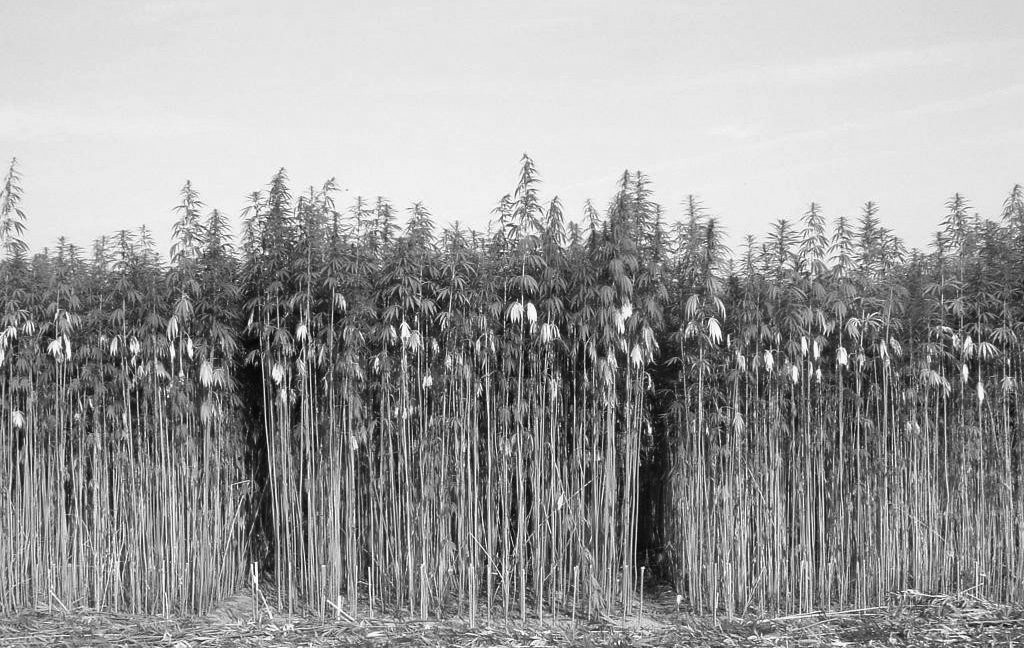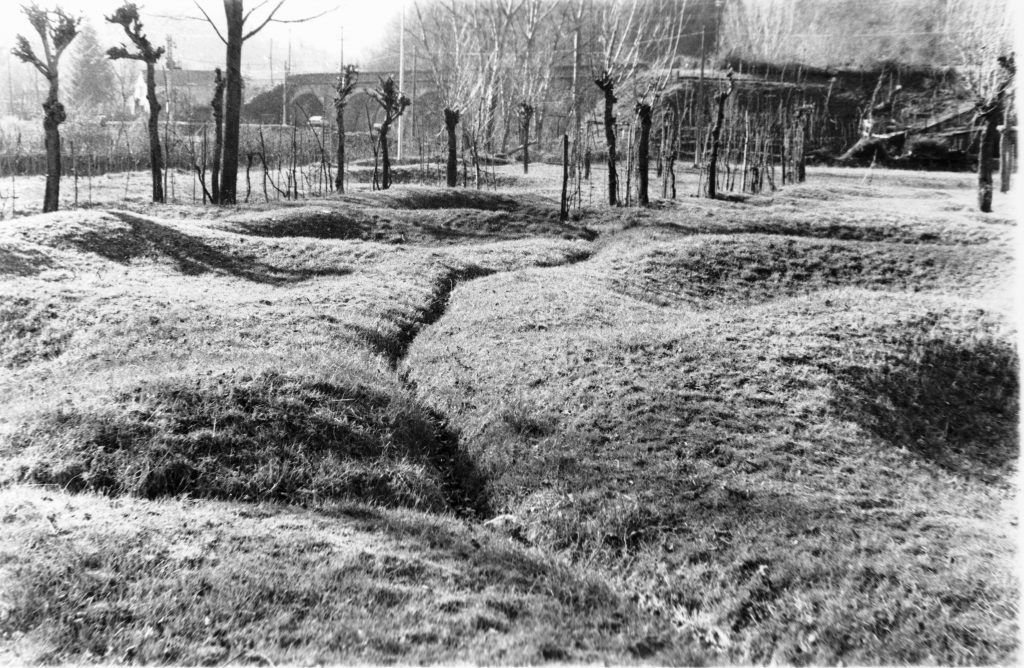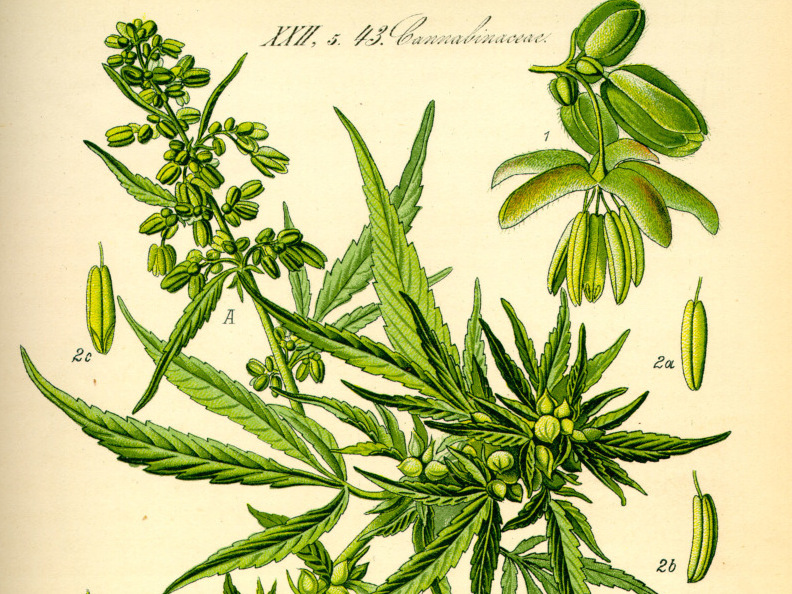
For centuries, hemp represented a vital resource in Lunigiana and played a central role in rural life. Each farming family cultivated hemp on small plots of land that usually were no larger than 200 square metres. The resulting fibre, which was very strong and versatile, was used to make household textiles. That reduced the need to purchase expensive fabrics that were accessible only to wealthier families.
The importance of hemp in rural Lunigiana is also reflected in its use as a food source. That’s why according to the Cronichetta Lunigianese (16th century) “hemp seeds and acorns were ground and used to make bread” during times of famine. This highlights hemp’s fundamental role in sustaining local communities, providing not only textiles, but also nourishment.

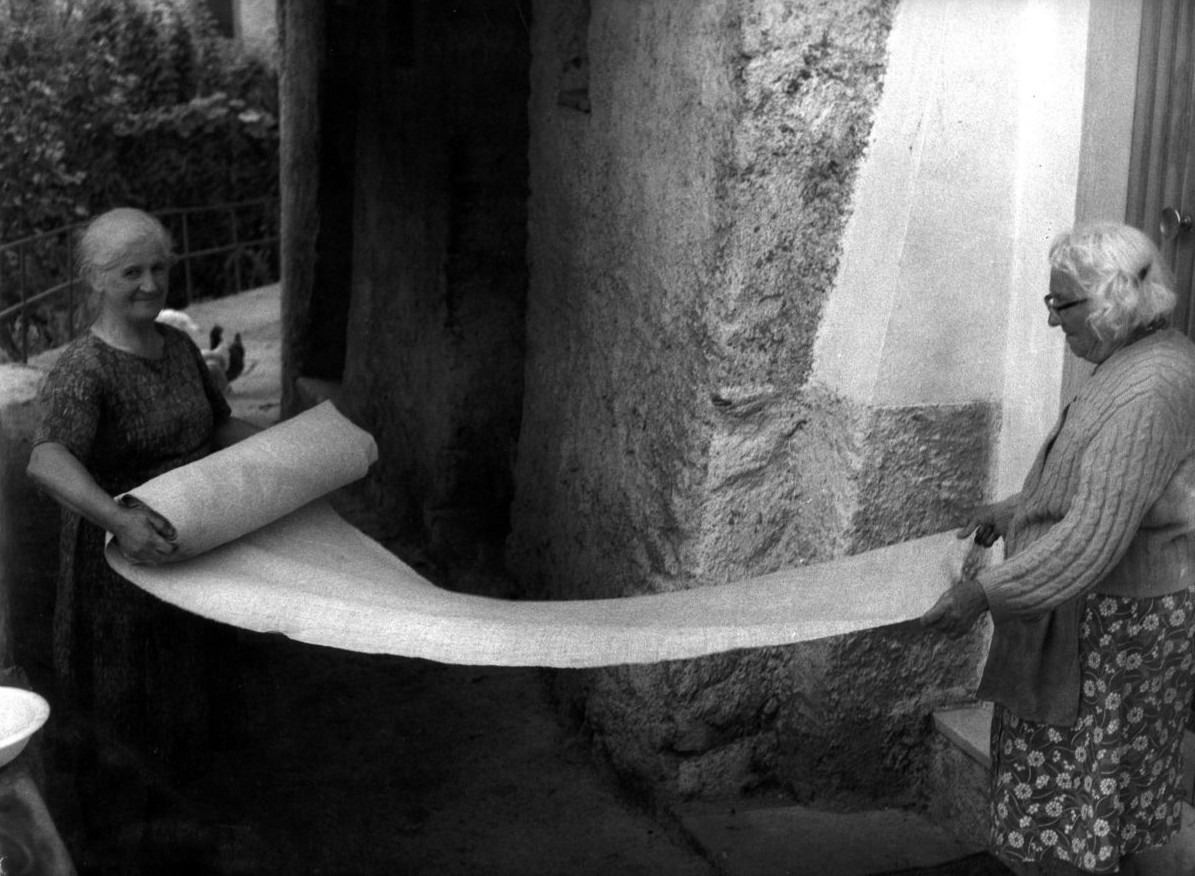
Women of Ripola: Angiolina Barbieri known as Ardua (Arduina) and Adele Boschetti known as Dela.
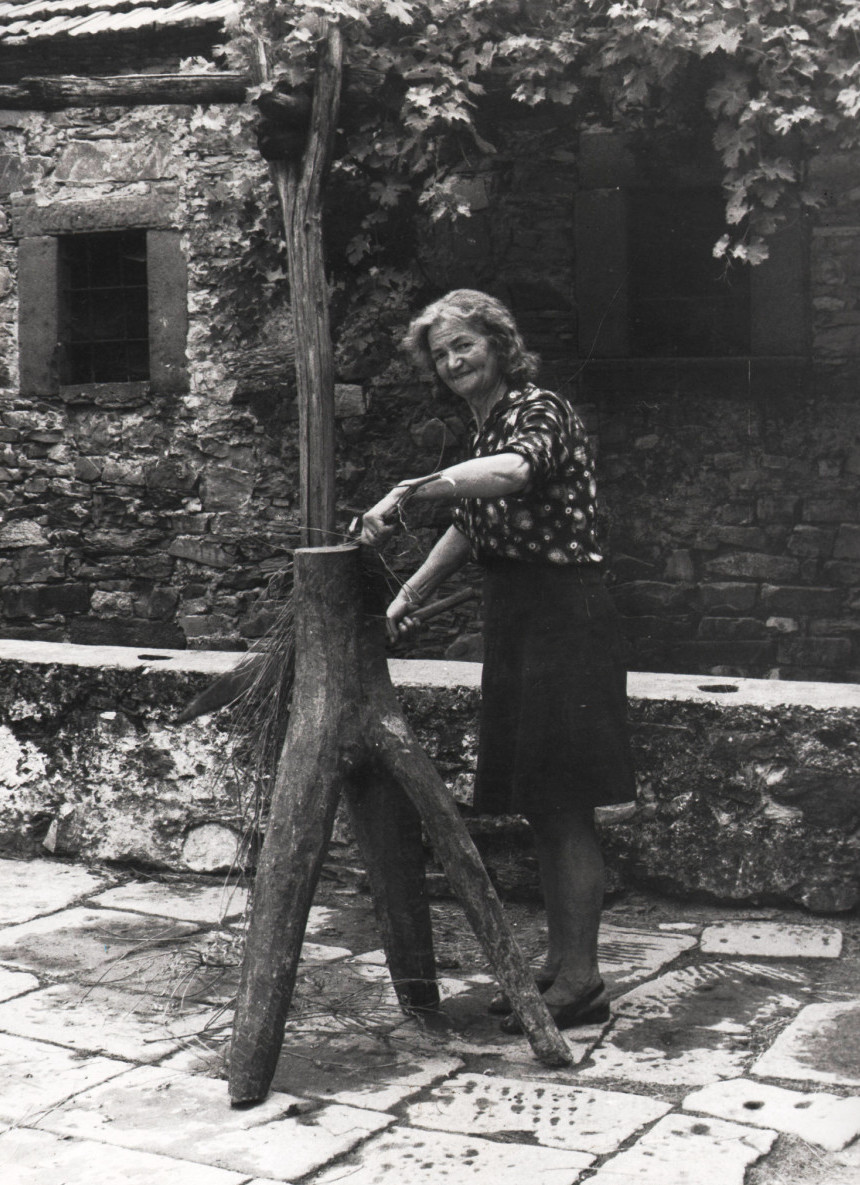
Maria Mura
Women and men at work
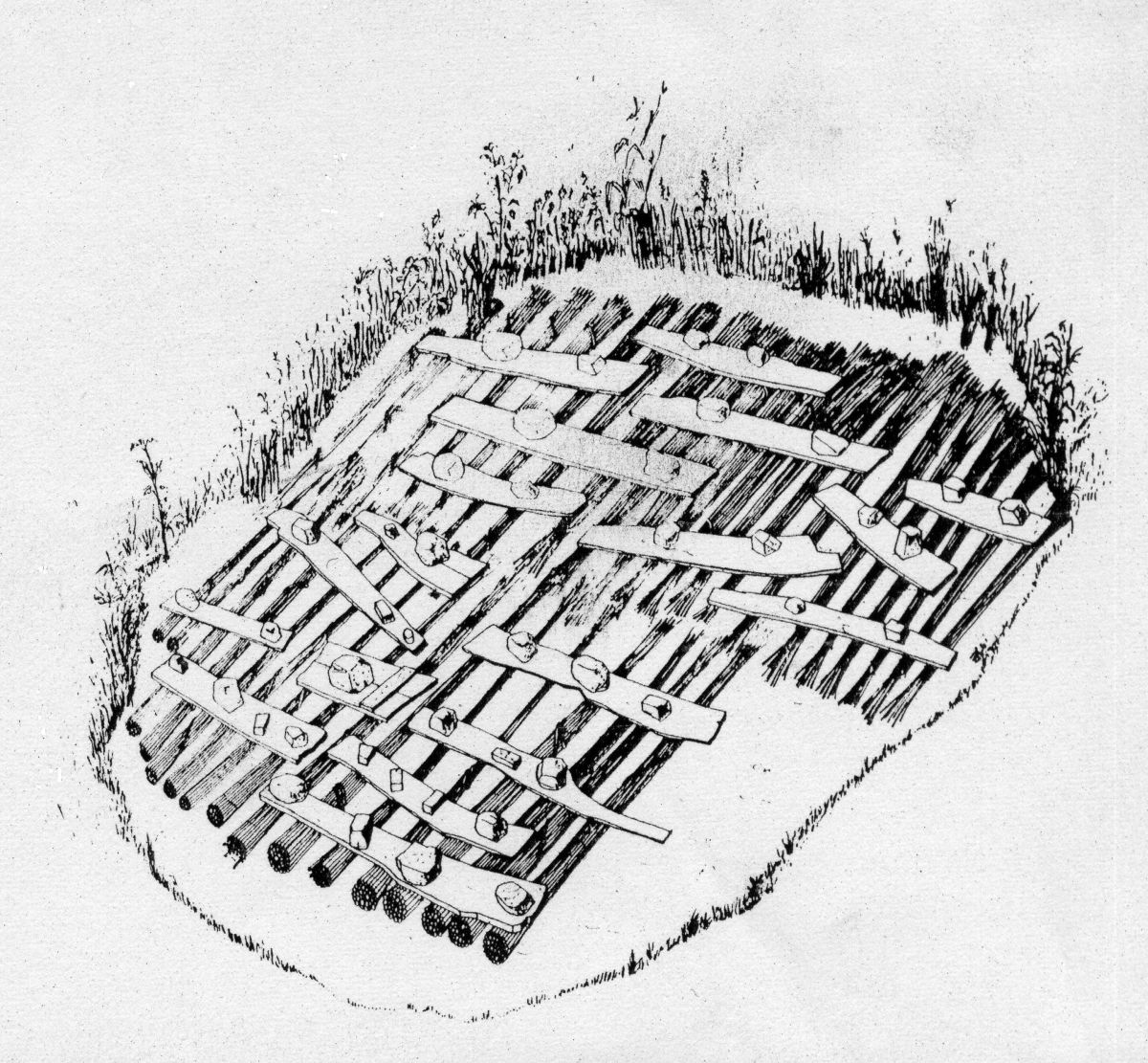
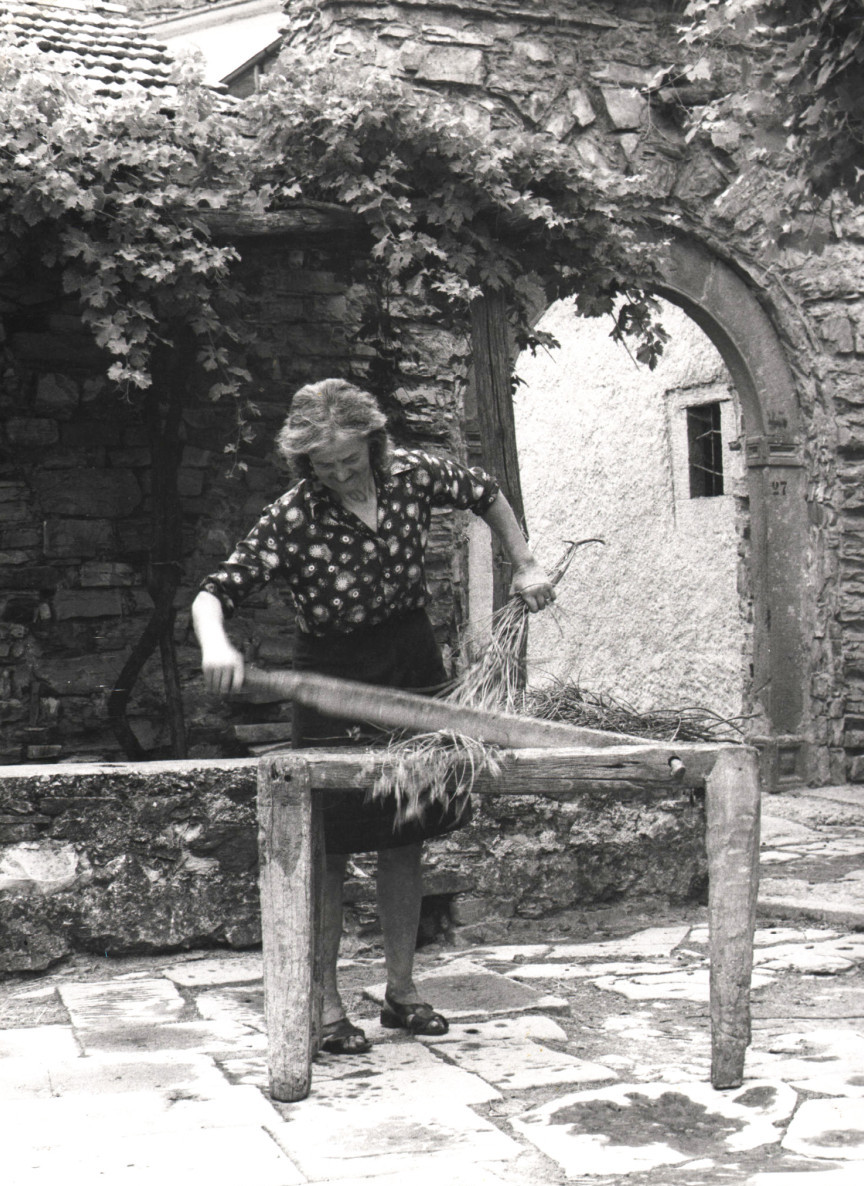
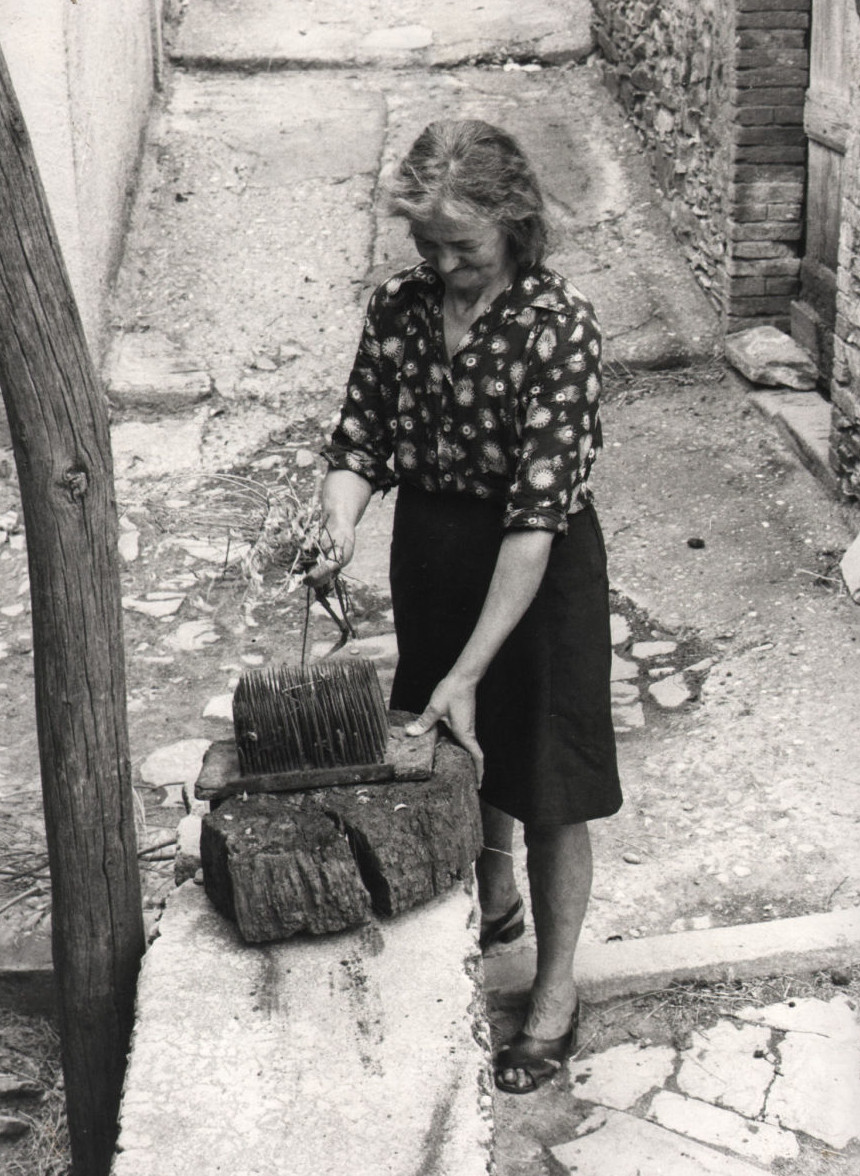
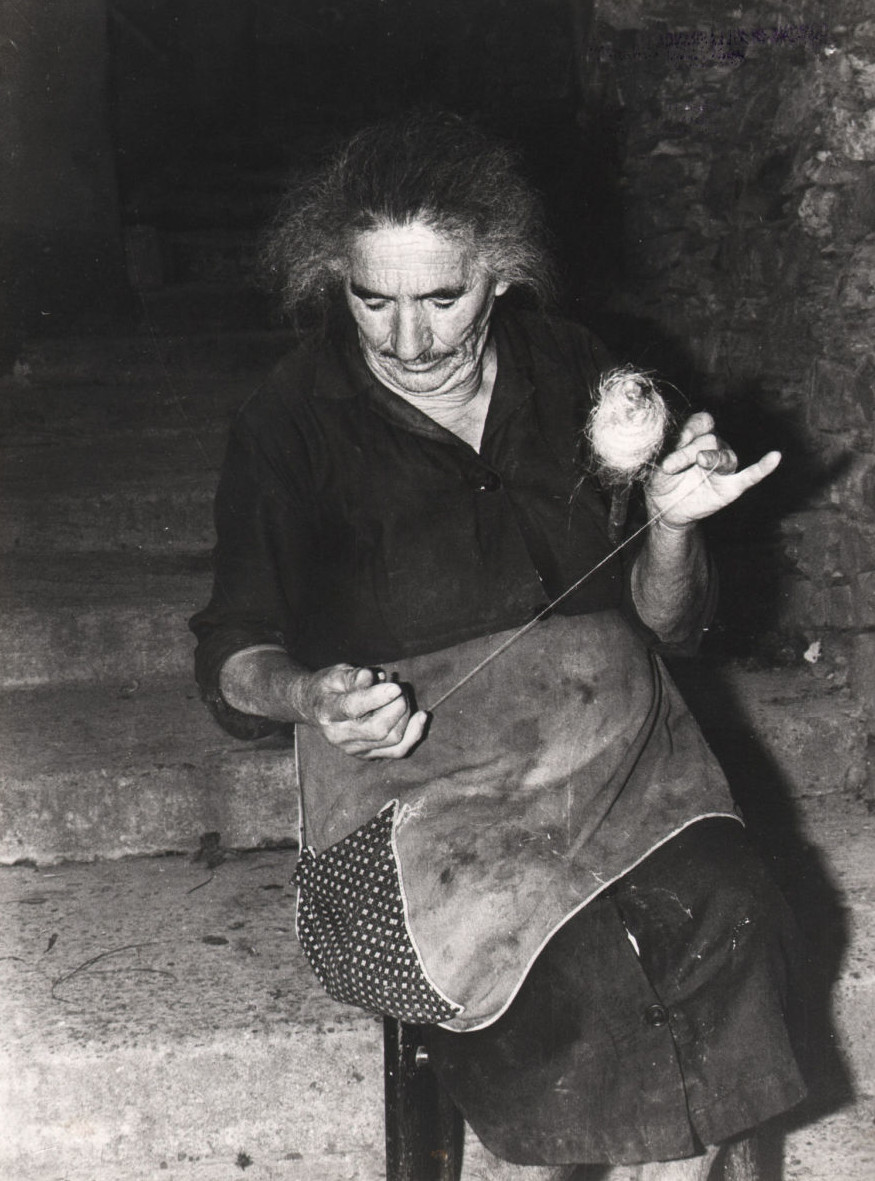
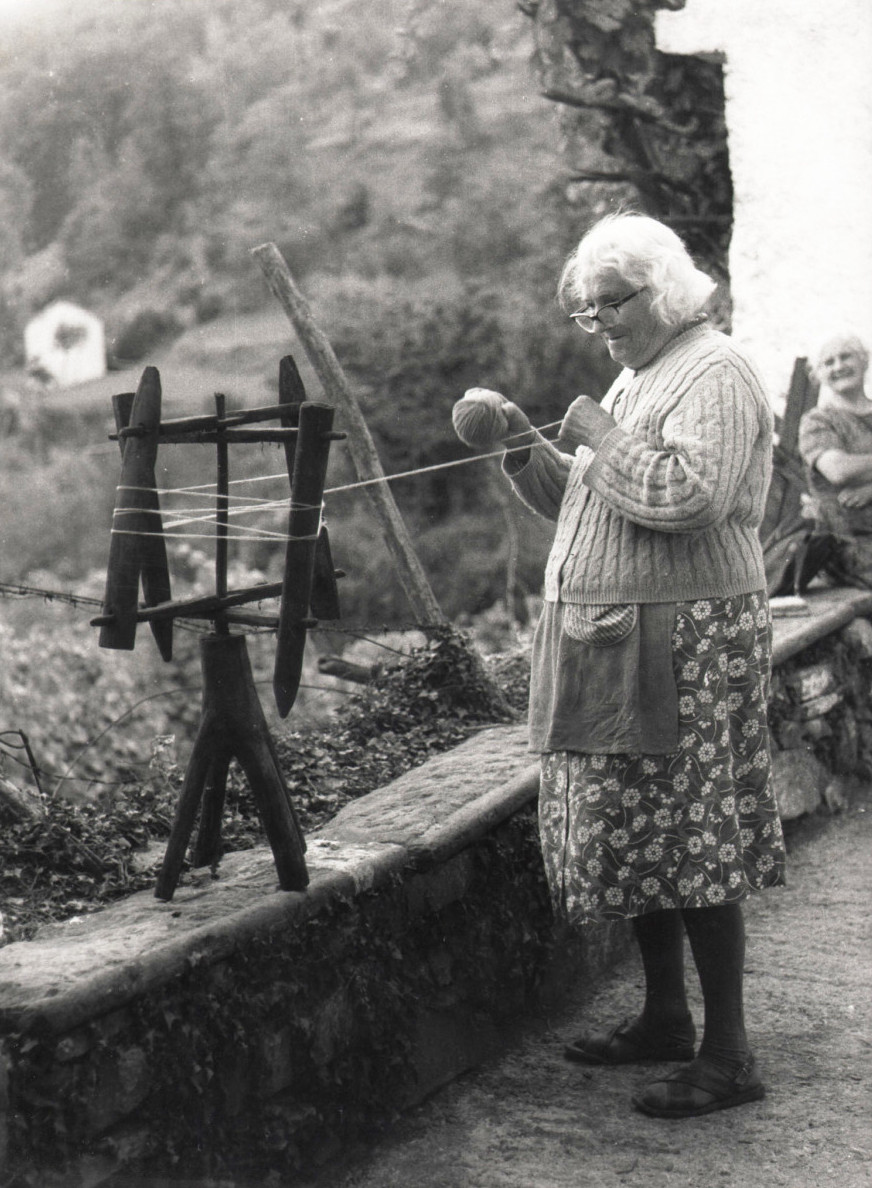
Hemp cultivation and its processing involved the entire family. Women carefully carried out each stage, from sowing to spinning, while men built the necessary tools, often using recycled materials. While every household could produce its own yarn, weaving was a specialised activity carried out by only a few families in each village, not everybody could do it.
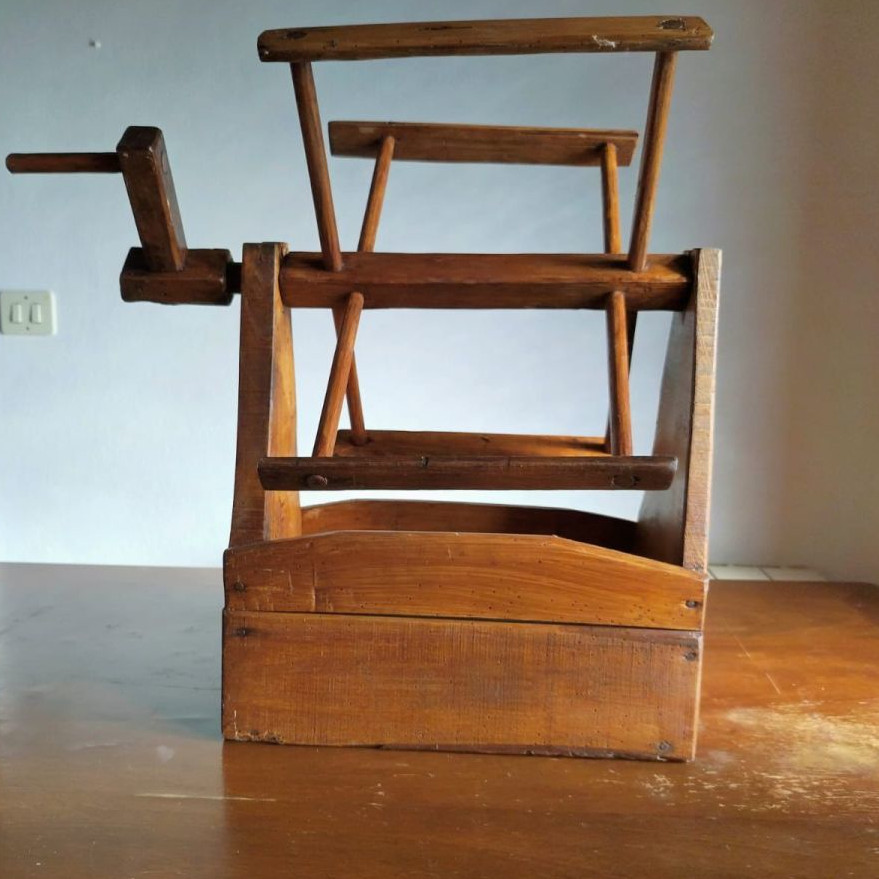
Rotating reel
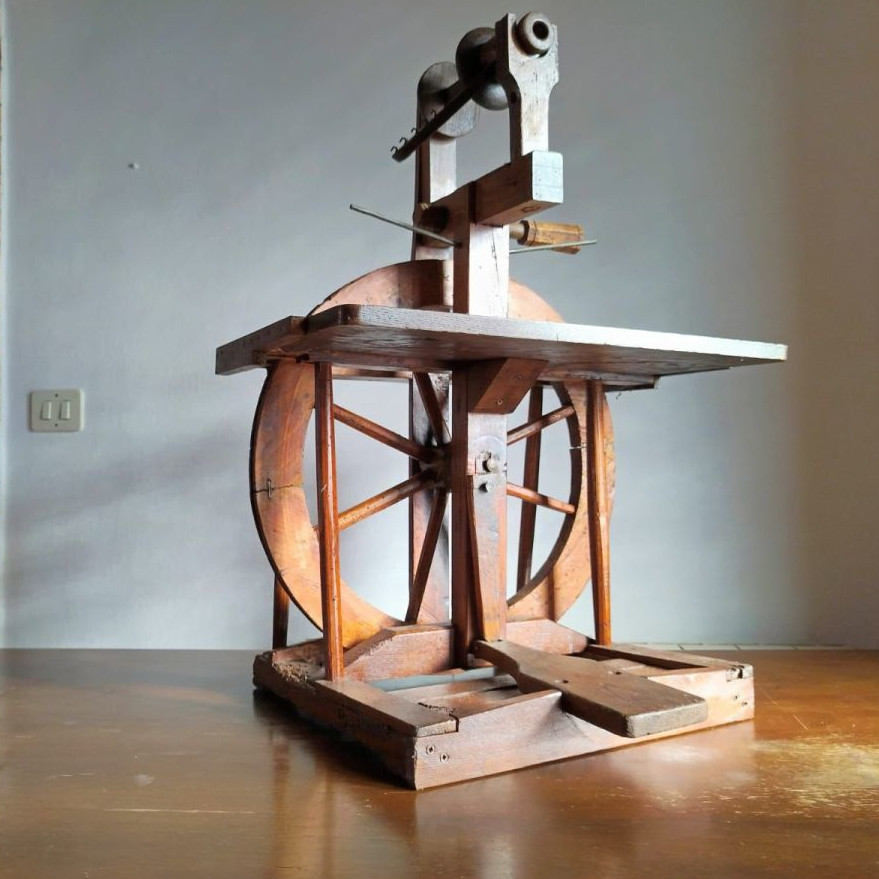
Spinning wheel
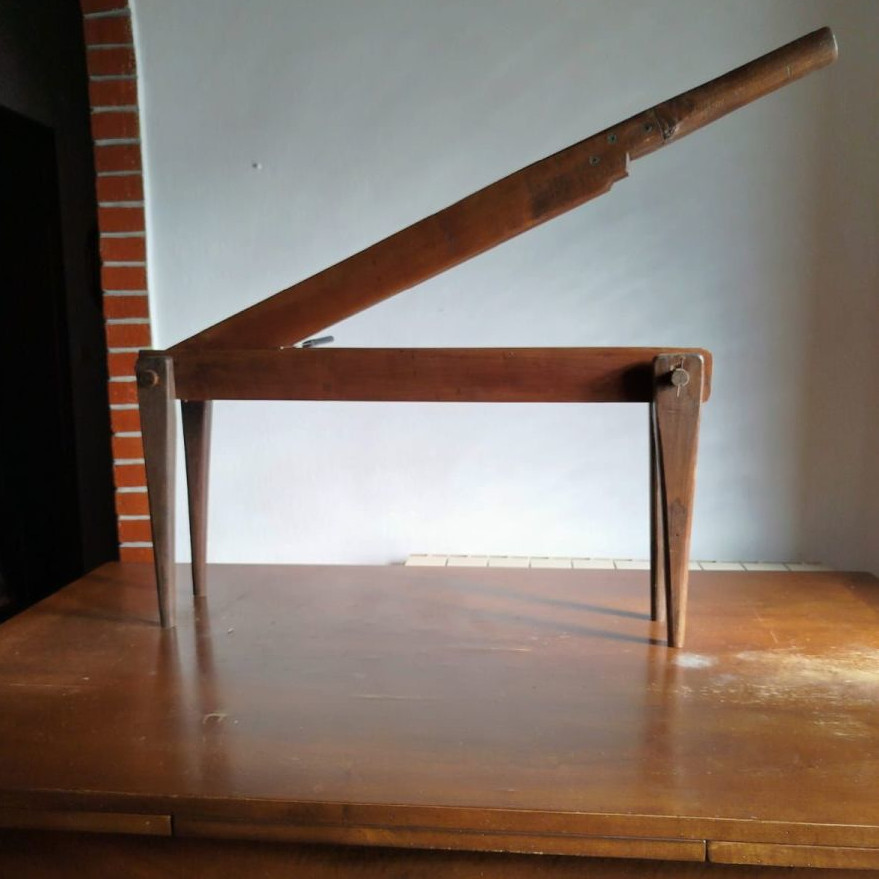
“Gramola”
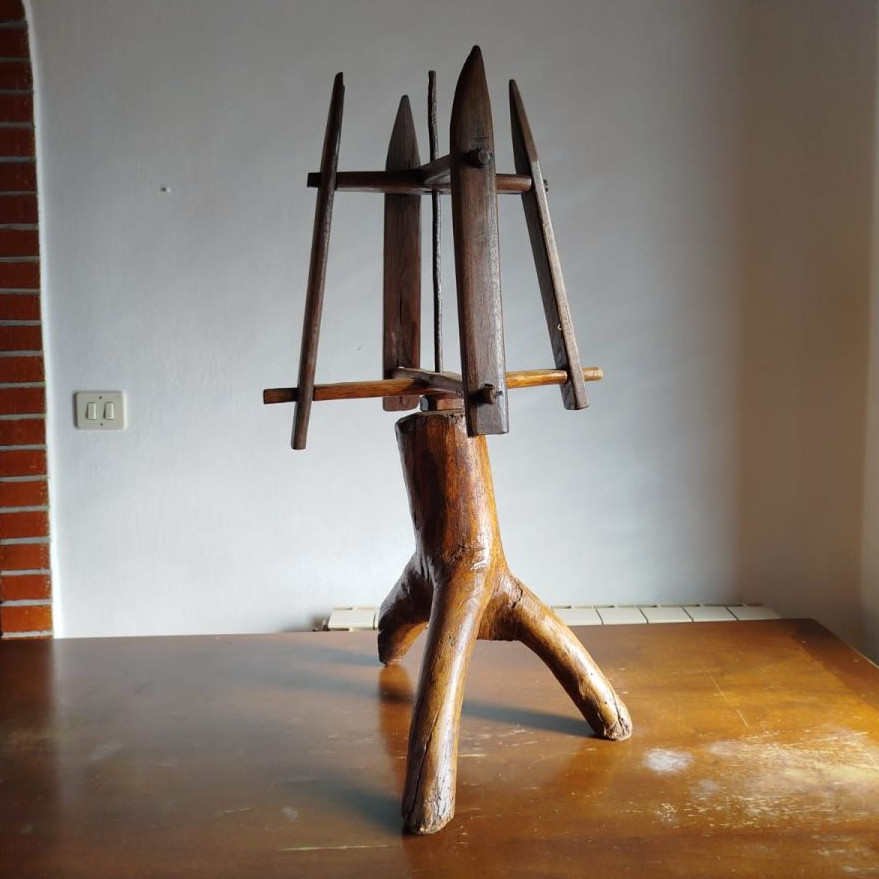
Hand reel
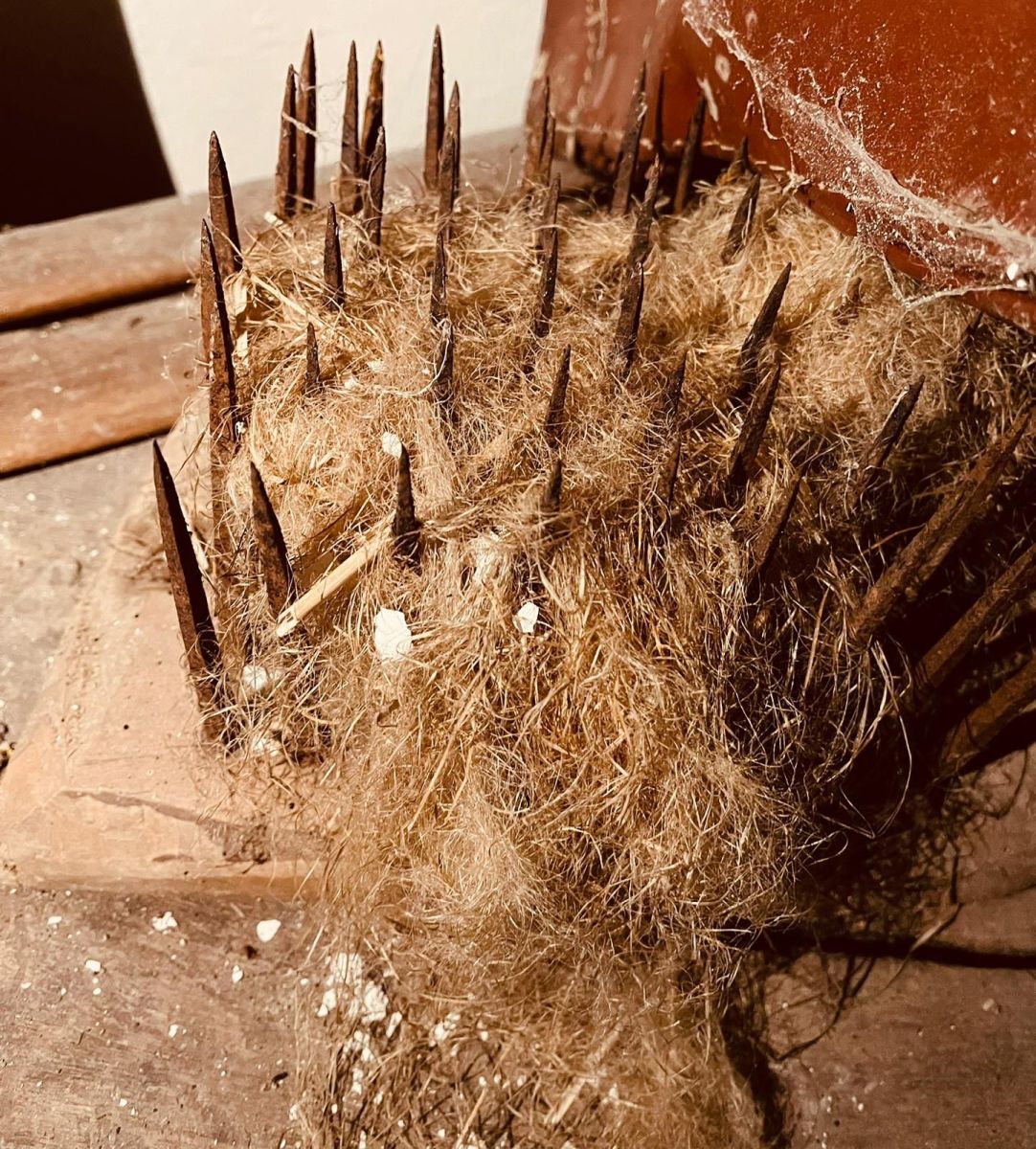
“Kuncin” (a special iron comb)
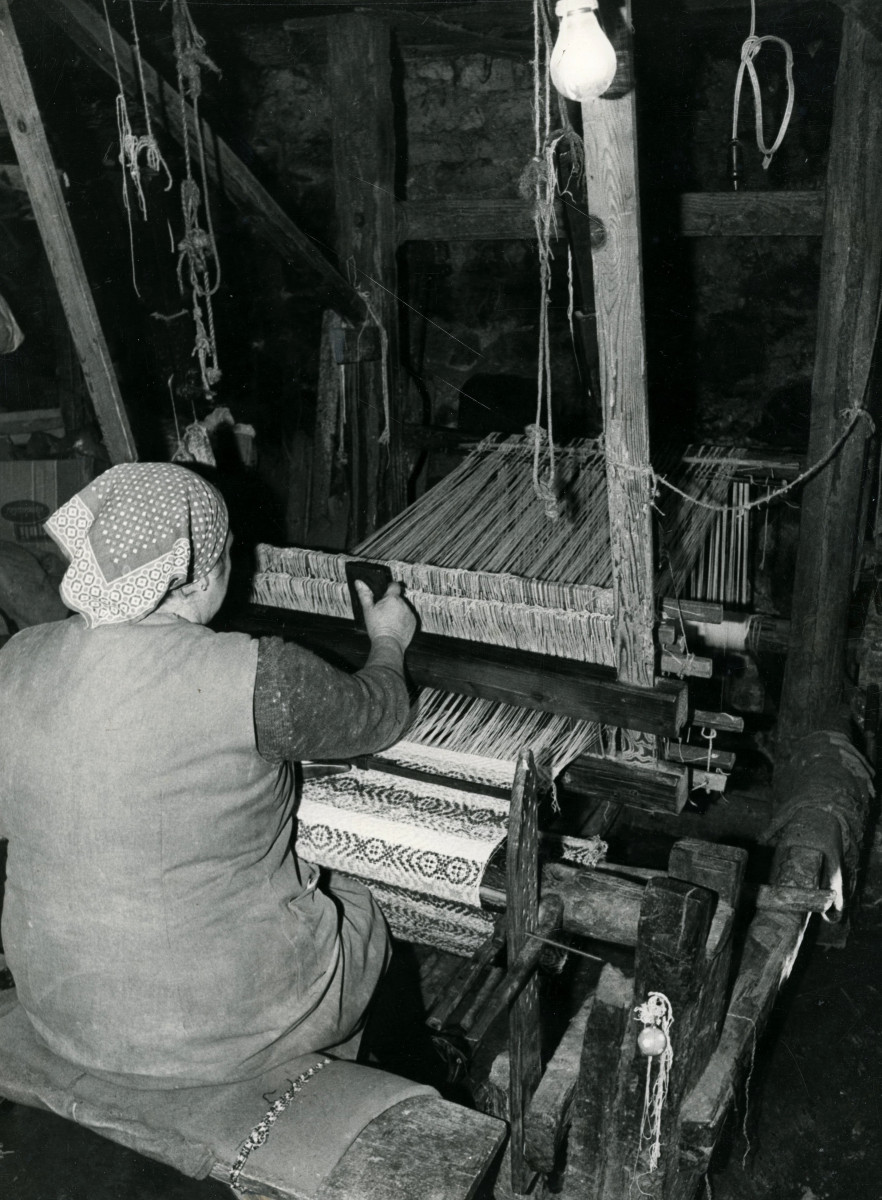
The looms of Ripola
Hemp weaving reached a remarkable level of excellence in Ripola, a small village overlooking Varano and Tavernelle (small villages down he hill were we are), becoming a true expression of family craftsmanship. Hemp yarn arrived at the looms of Ripola from many surrounding villages such as Comano, Crespiano, Varano, Tavernelle, Taponecco, Apella, Compione, Treschietto, Iera, Vico, Filattiera, Sorcetoli, as well as from parts of the Pontremoli area
Objects photographed belong to Mrs Lidia Travaglini from Taponecco
The decline of a tradition
Over time, many looms in Lunigiana ceased operation, but in Ripola the tradition endured longer, surviving until 1950. The last weavers were Virginia Boschetti, Mariella Mura Draghi and Paolina Crispi and when they passed away the ancient Lunigian way of life came unfortunately to an end.