For centuries, hemp represented a vital resource in Lunigiana and played a central role in rural life. Each farming family cultivated hemp on small plots of land that usually were no larger than 200 square metres. The resulting fibre, which was very strong and versatile, was used to make household textiles. That reduced the need to purchase expensive fabrics that were accessible only to wealthier families.

The importance of hemp in rural Lunigiana is also reflected in its use as a food source. That’s why according to the Cronichetta Lunigianese (16th century) “hemp seeds and acorns were ground and used to make bread” during times of famine. This highlights hemp’s fundamental role in sustaining local communities, providing not only textiles, but also nourishment.

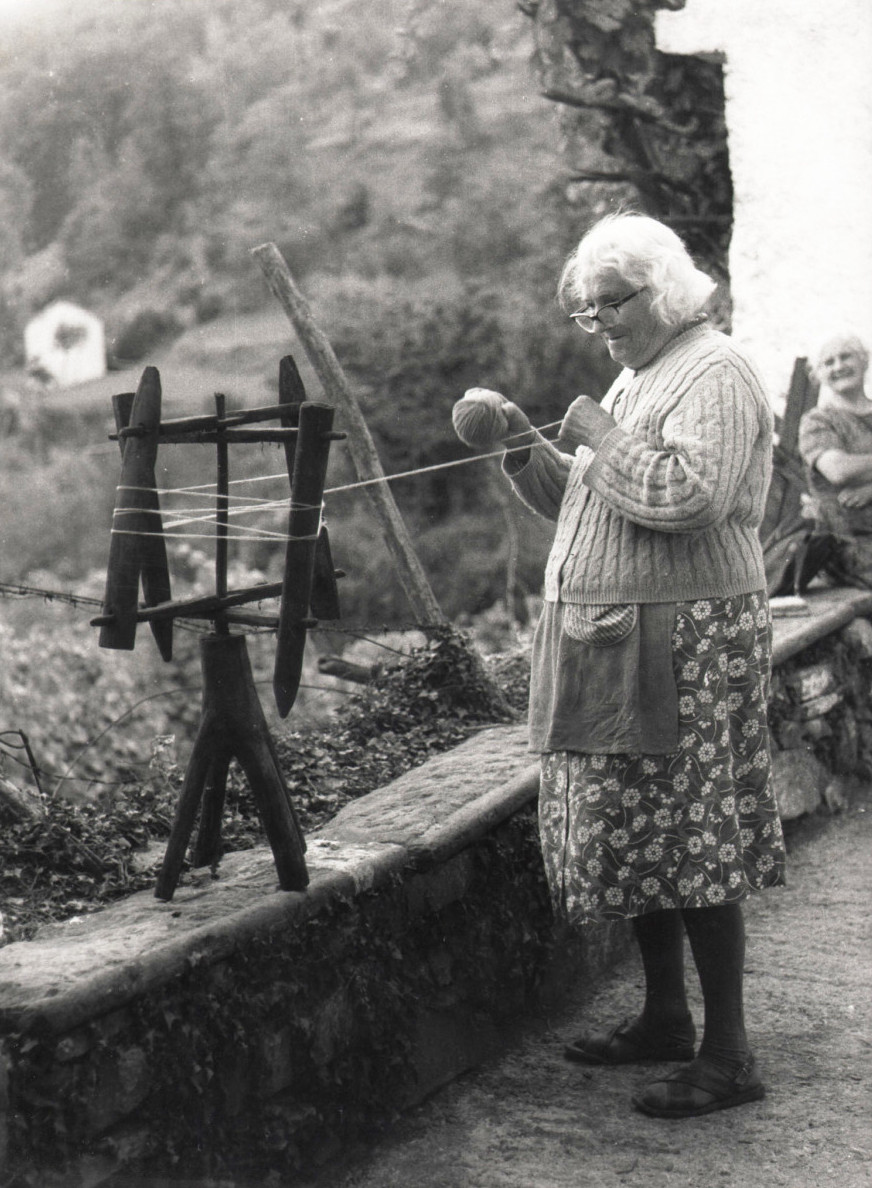
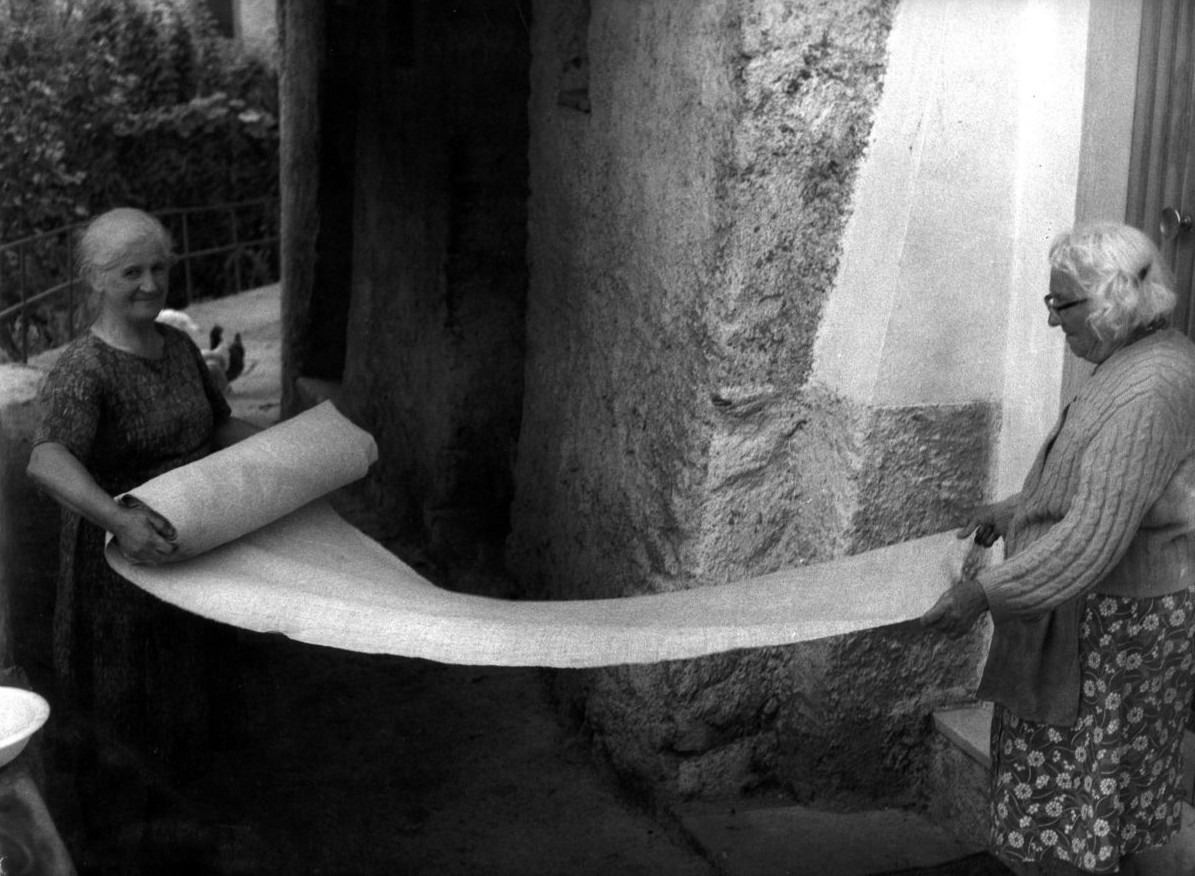
Women of Ripola: Angiolina Barbieri known as Ardua (Arduina) and Adele Boschetti known as Dela.
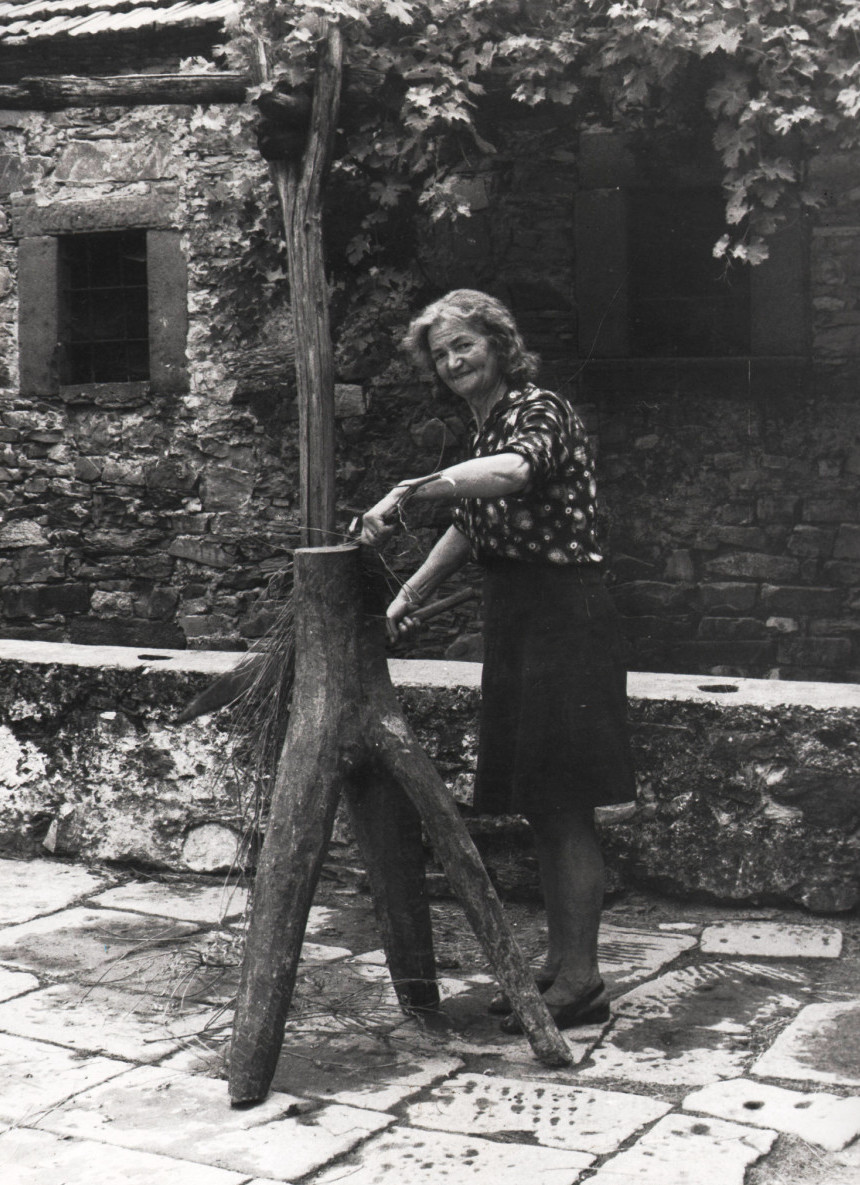
Maria Mura

Women and men at work

Hemp cultivation and its processing involved the entire family. Women carefully carried out each stage, from sowing to spinning, while men built the necessary tools, often using recycled materials. While every household could produce its own yarn, weaving was a specialised activity carried out by only a few families in each village, not everybody could do it.
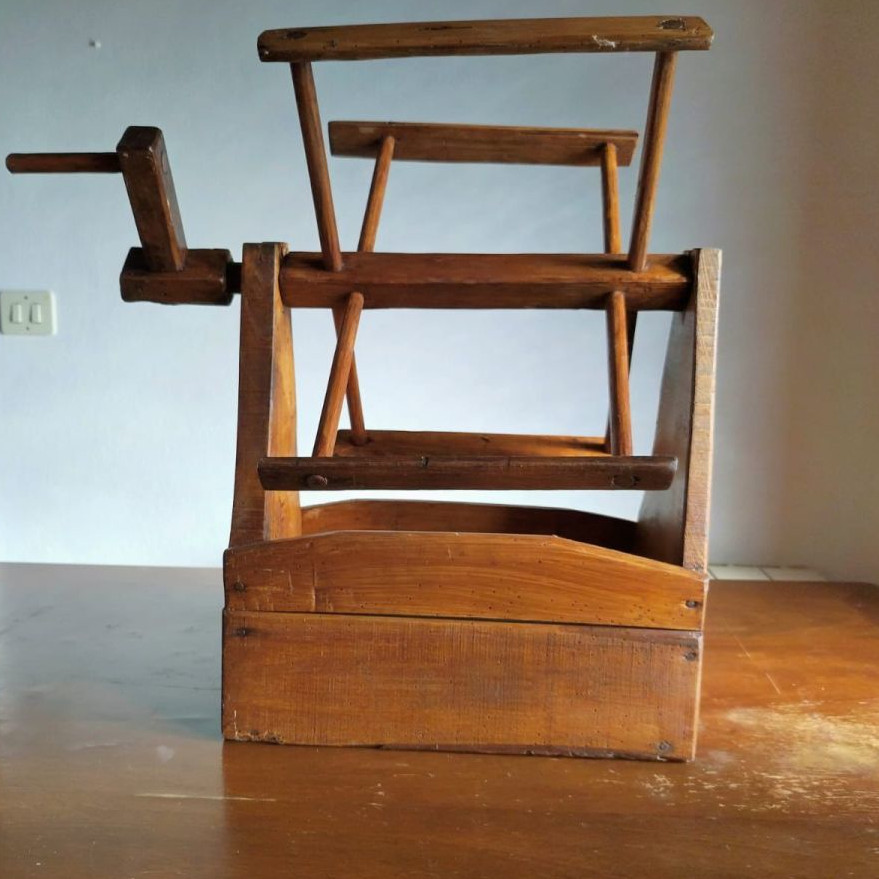
Rotating reel
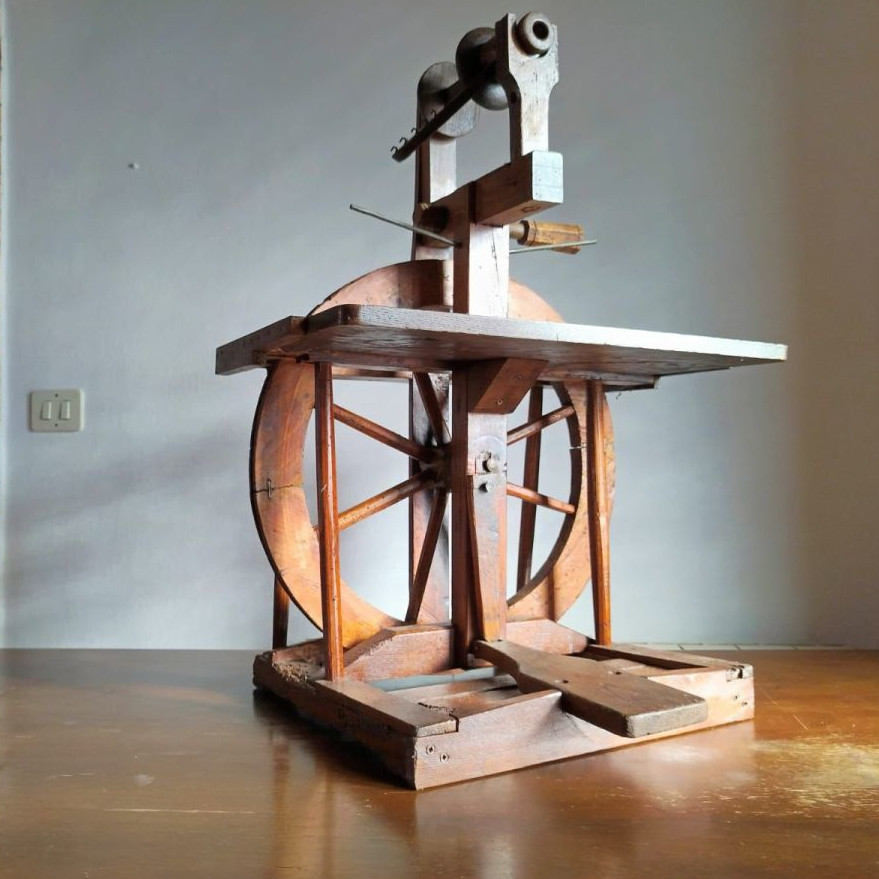
Spinning wheel
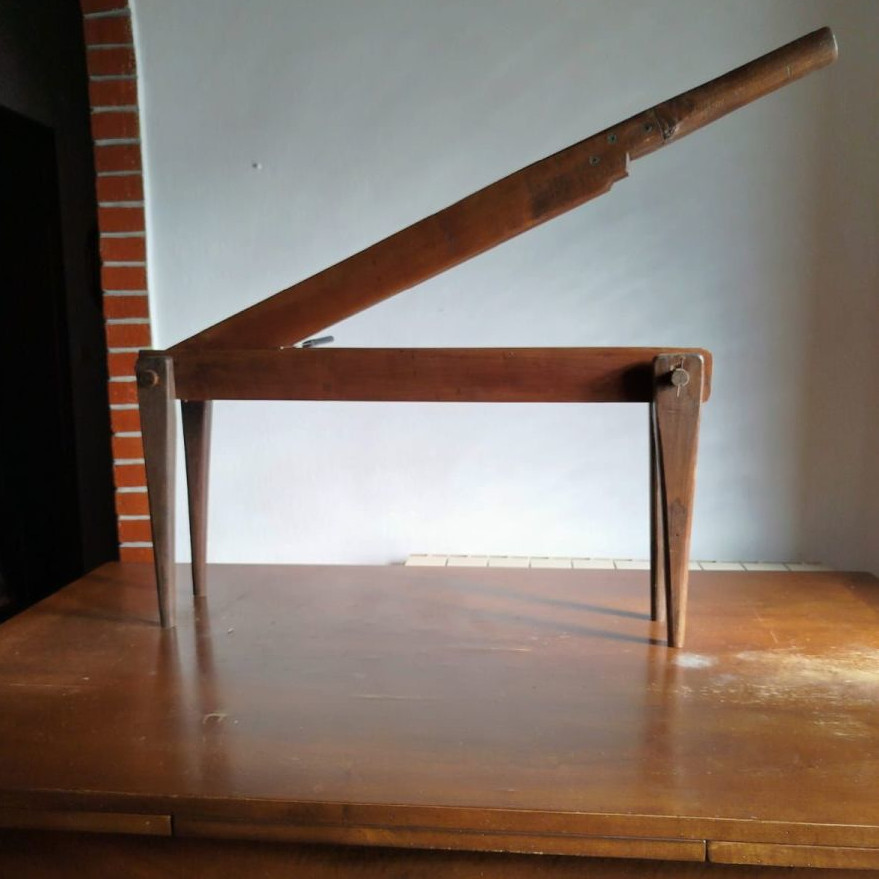
“Gramola”
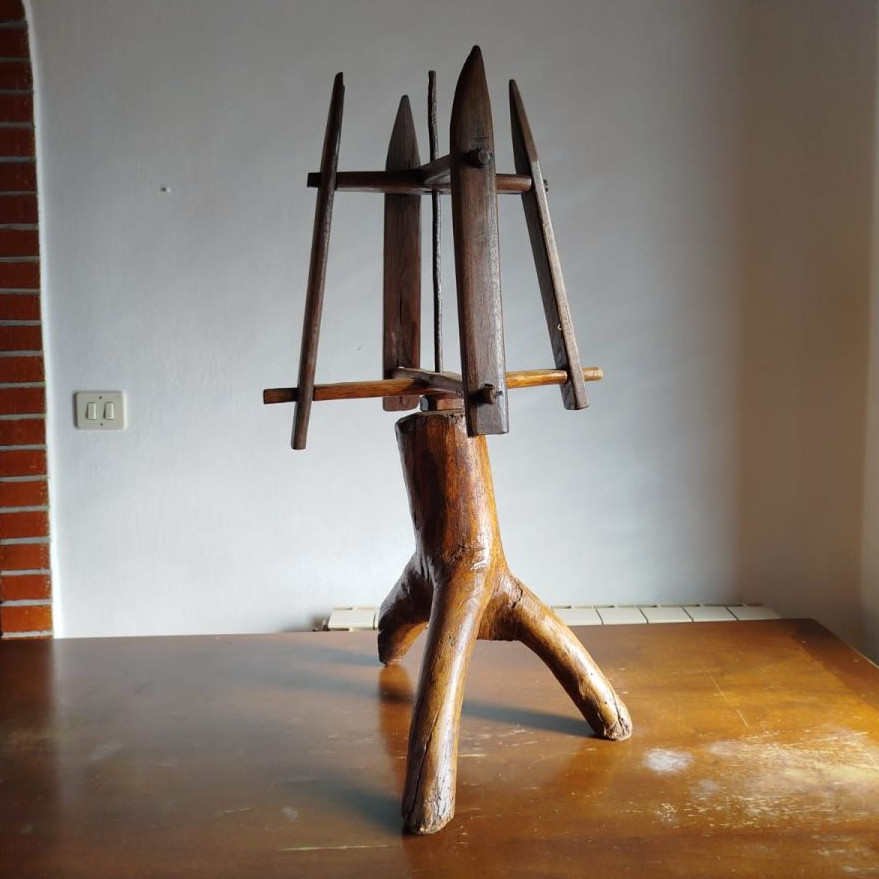
Hand reel
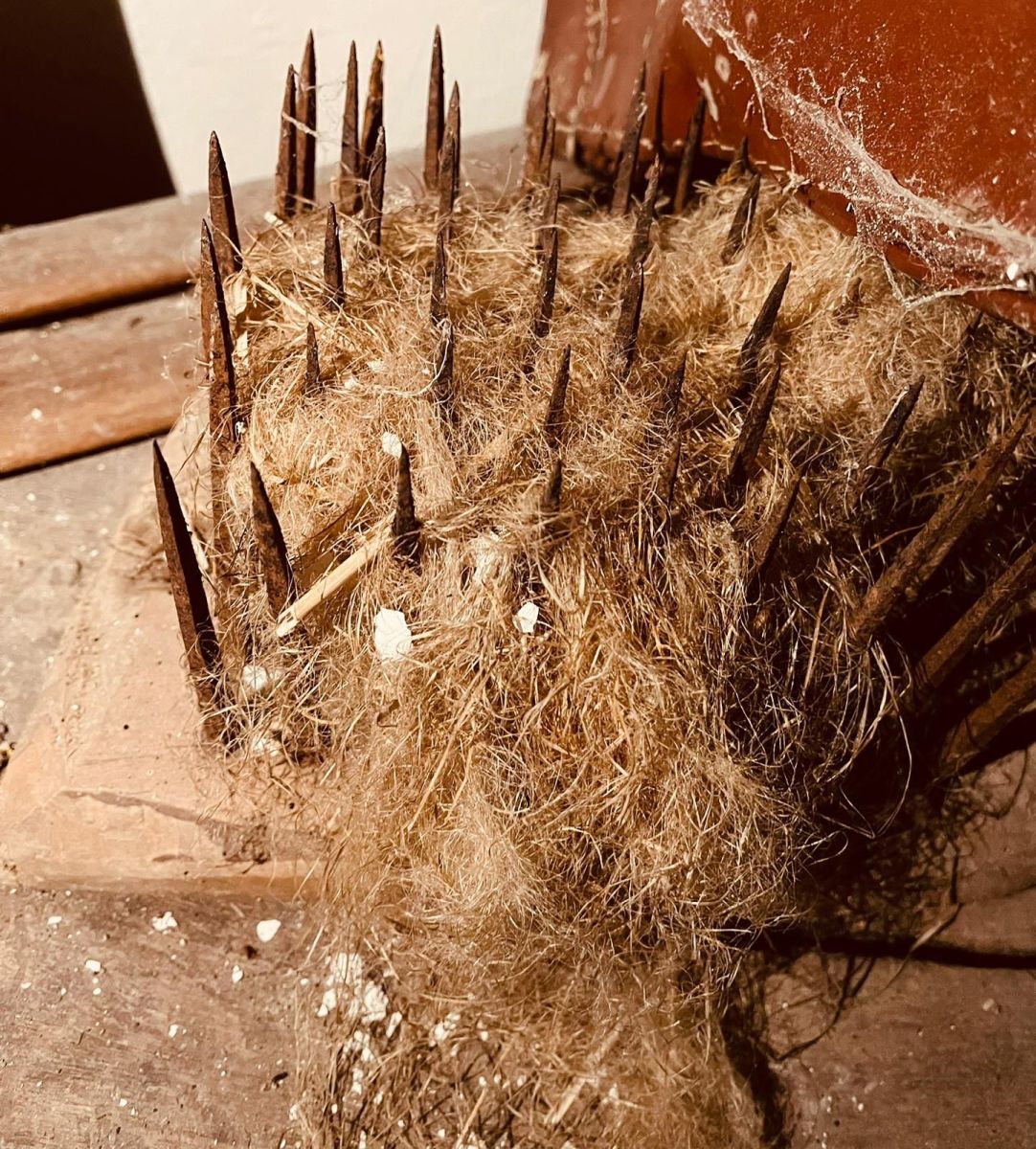
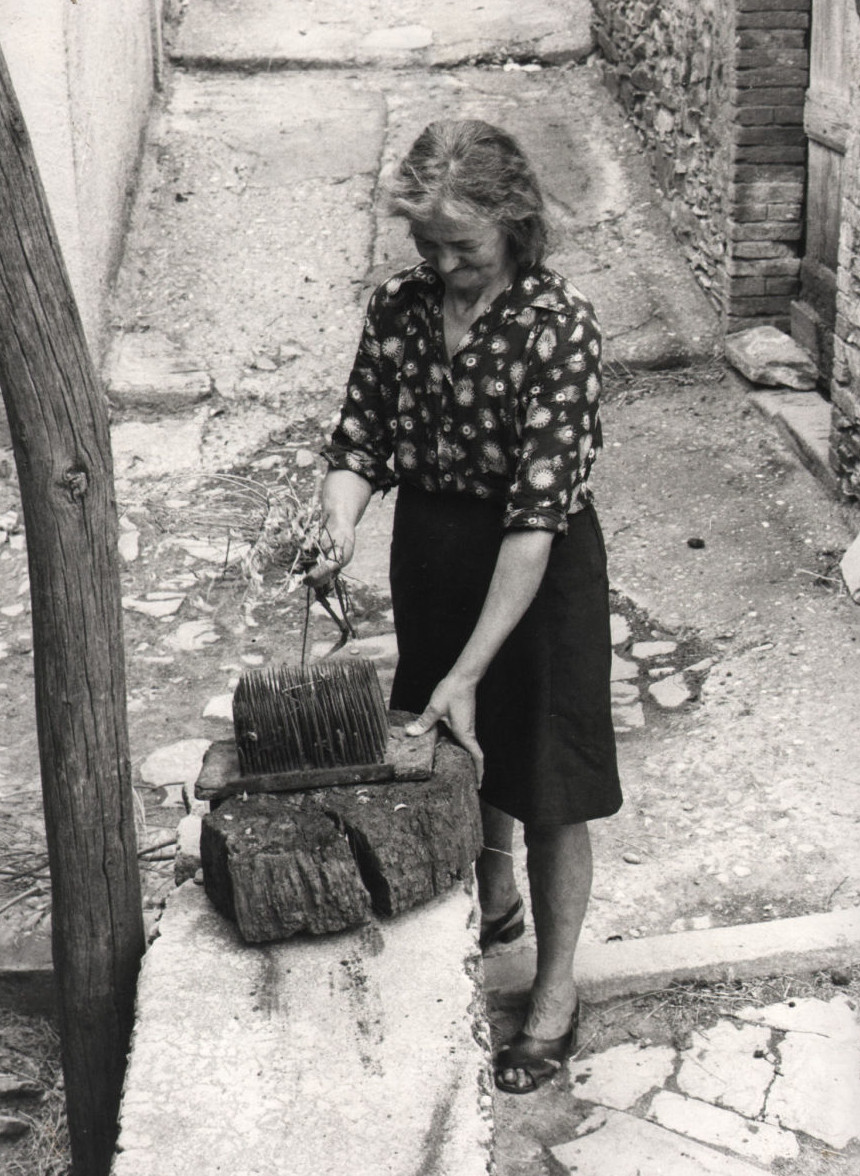
“Kuncin” (a special iron comb)

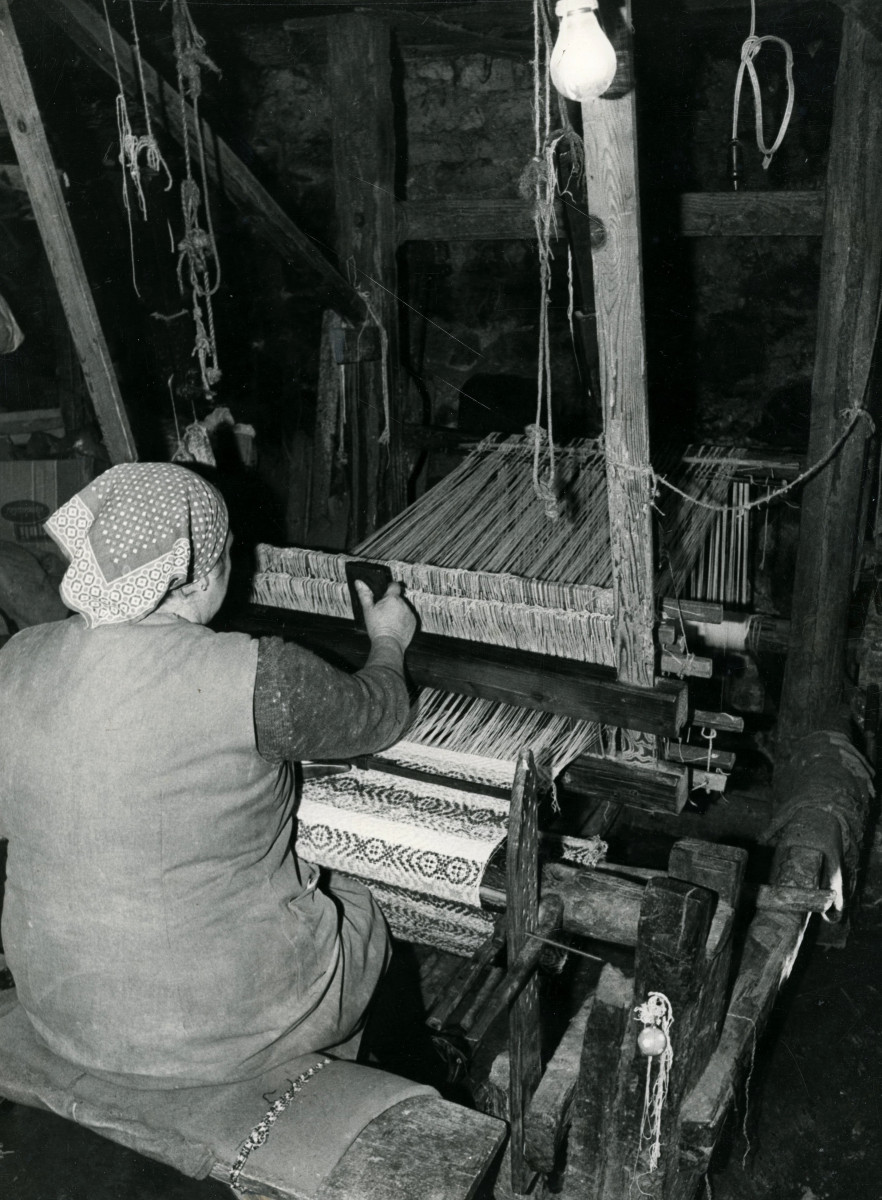
The looms of Ripola

Hemp weaving reached a remarkable level of excellence in Ripola, a small village overlooking Varano and Tavernelle (small villages down he hill were we are), becoming a true expression of family craftsmanship. Hemp yarn arrived at the looms of Ripola from many surrounding villages such as Comano, Crespiano, Varano, Tavernelle, Taponecco, Apella, Compione, Treschietto, Iera, Vico, Filattiera, Sorcetoli, as well as from parts of the Pontremoli area

Objects photographed belong to Mrs Lidia Travaglini from Taponecco

The decline of a tradition

Over time, many looms in Lunigiana ceased operation, but in Ripola the tradition endured longer, surviving until 1950. The last weavers were Virginia Boschetti, Mariella Mura Draghi and Paolina Crispi and when they passed away the ancient Lunigian way of life came unfortunately to an end.
Cultivation

Sowing and Growth

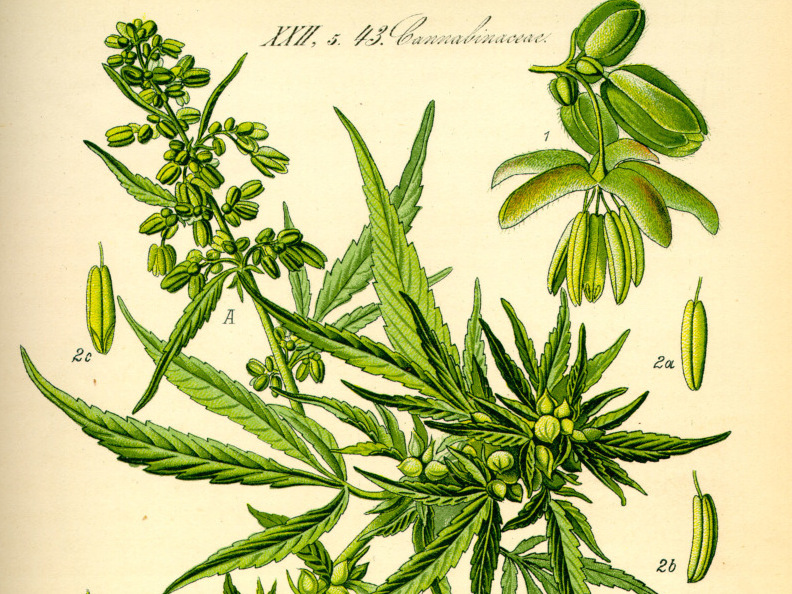
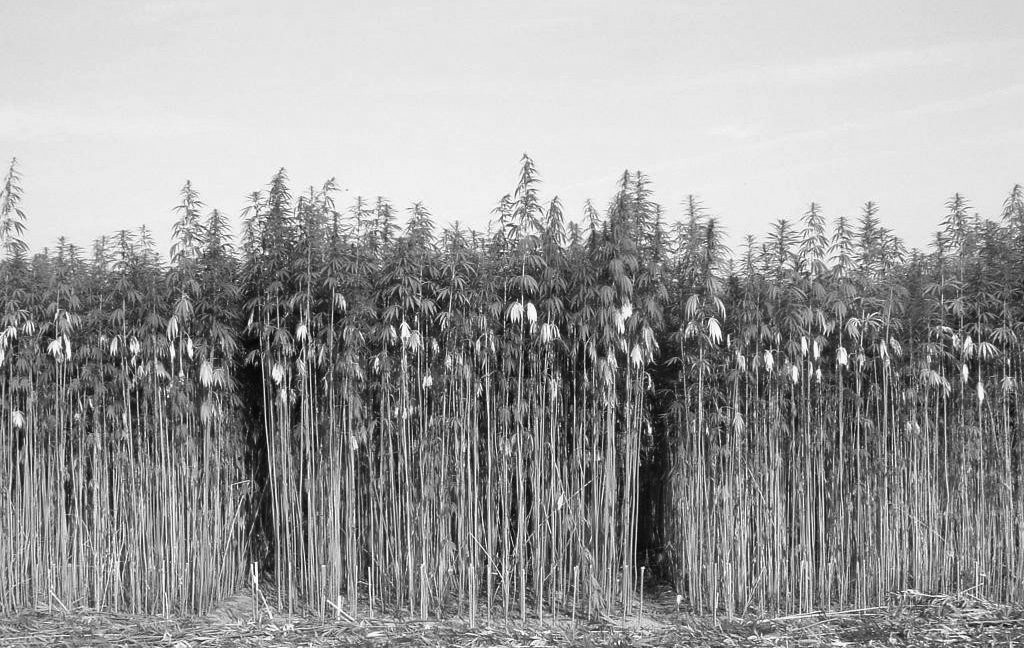
Hemp was sown in spring in areas known as canavari, using broadcast sowing. The high seed density and rapid growth cycle prevented the emergence of weeds and made it easy to distinguish male plants—used for fibre production—from female plants (bacon), which produced seeds.

Flowering and Pollination

After releasing pollen, male plants began to dry out, turning from green to yellow at the base and shedding their leaves. Wind-borne pollen enabled the fertilisation of female flowers and subsequent seed production..

July: Harvesting and Retting

In July, hemp plants were harvested separately. Male plants were cut and left to dry in the sun, bundled into sheaves (manei) tied with willow or vine branches. Female plants, on the other hand, were harvested several weeks later, once the seeds had fully ripened. After harvesting, seeds were then separated, dried and carefully stored for the following year’s sowing.

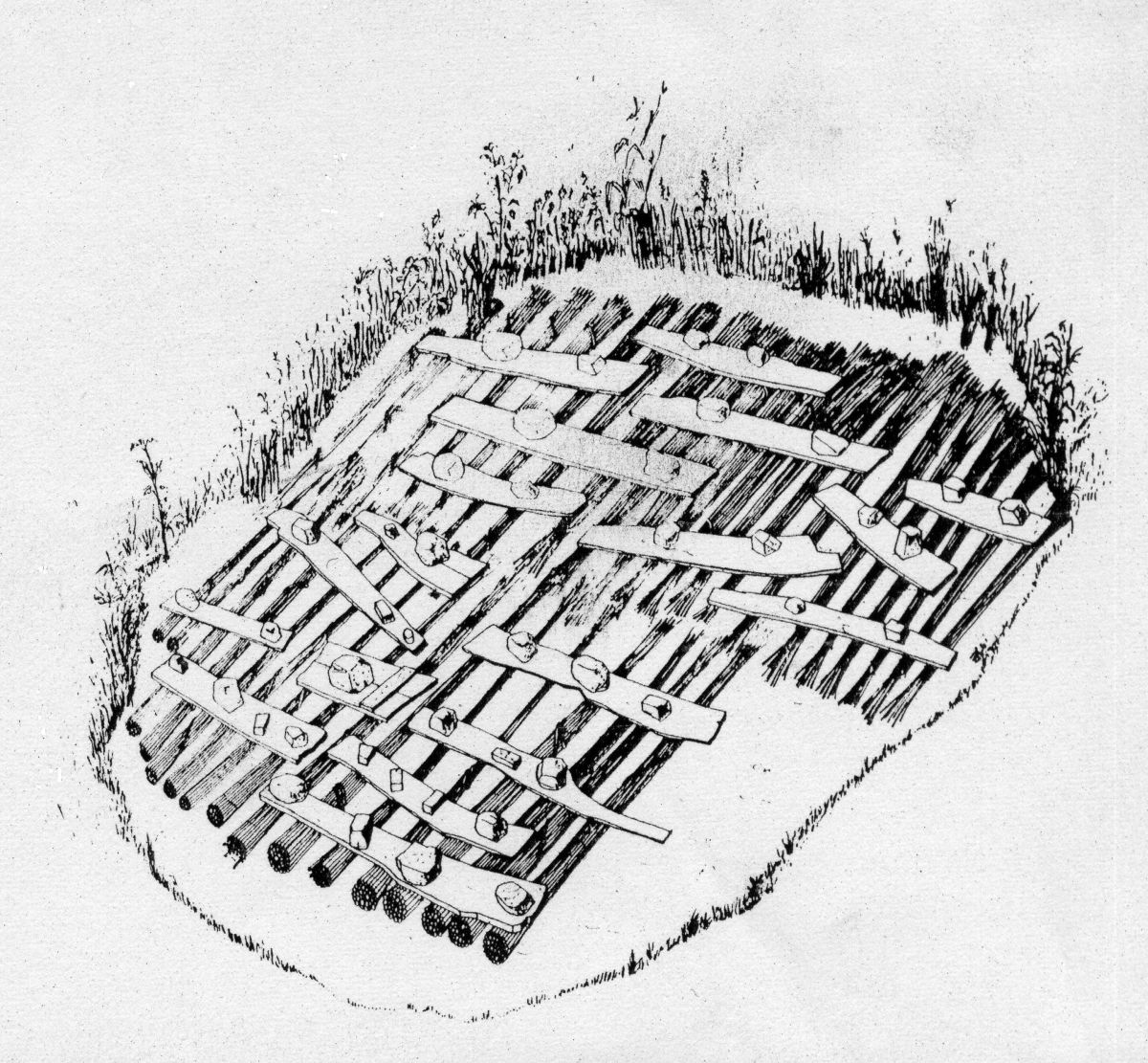
The male hemp bundles were submerged in rectangular tanks located near canals, streams or fountains and left to soak in stagnant water for 15–20 days (the so called bozi), held down by large stones. This retting process softened the fibres, making it easier to separate them from the woody stem. The bundles were then removed from the tanks, drained on nearby meadows for about 24 hours and later dried again in the village threshing floors for 3–4 days. At this stage, the hemp was ready for the subsequent processing that led to the extraction of the fibre from the stem.

Processing

The transformation of hemp into textile fibre and later into fabric involved several stages that required also specific skills and knowledge.e

1. Fibre breaking (skociar)

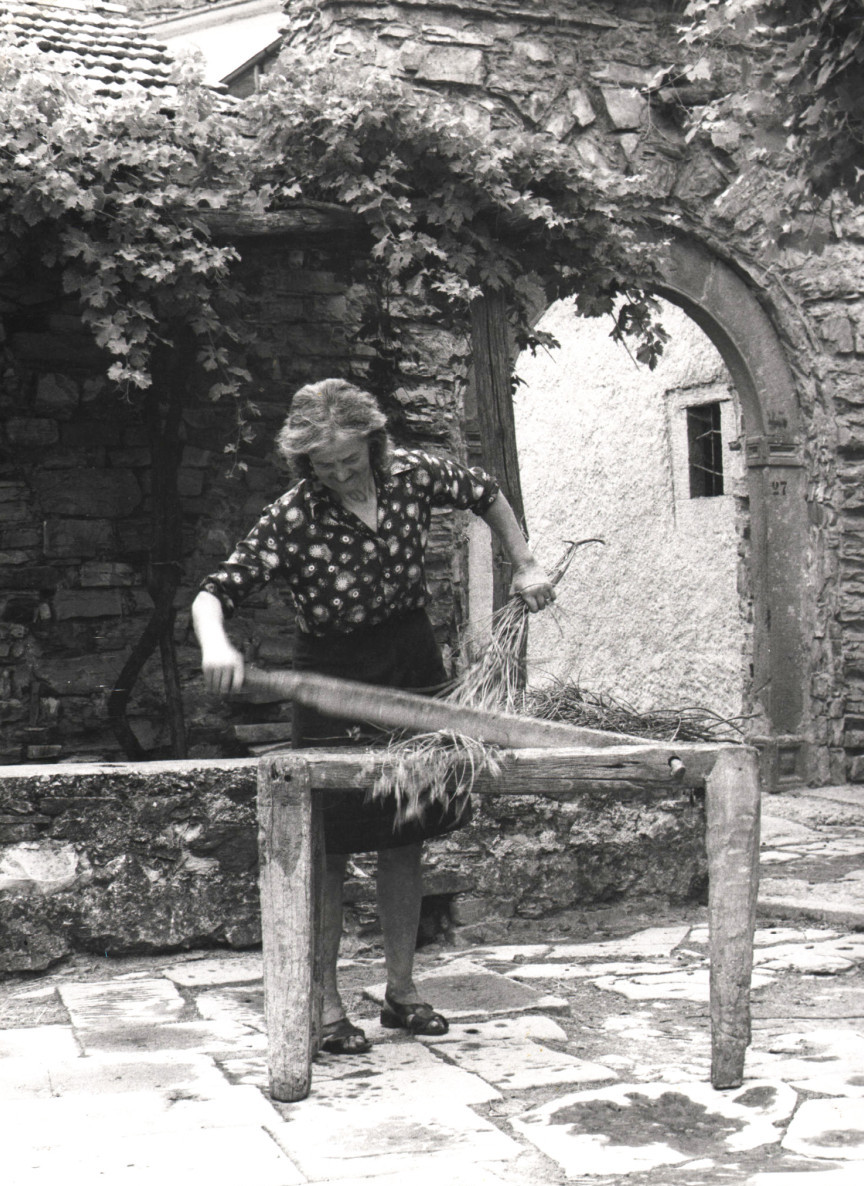
The first stage was the hemp fibre breaking (skociar), whose purpose was to break the woody core of the stem in order to separate the fibres. This process was carried out using a tool known as a skoc, a tripod-shaped wooden device with a hollow in its upper part. The dried hemp (mannella) was placed on the hollow and repeatedly beaten by hand with wooden rods. Through this process, the outer woody part of the stem broke apart, and the canugji—small woody fragments—fell away. These fragments were commonly reused as kindling to light fires.

2. Refining (gramolatura)

After fibre breaking, the fibres were further refined through a process known as gramolatura, using a tool called gramola. This was a wooden implement with four legs and two parallel, notched wooden beams. The hemp fibres were placed between the two arms and repeatedly beaten in order to soften them and further separate the fibres.

3. Combing (kuncia)

The third stage was the combing process (kuncia), carried out by hand using a comb known as a kuncin, fitted with long, closely spaced steel teeth set into a wooden bench. With quick, repeated movements, the hemp tigli (bundles of fibres) were drawn through the teeth, separating the longer and finer fibres from the stoppa, which was used for rope-making or as packing material.

4. Spinning

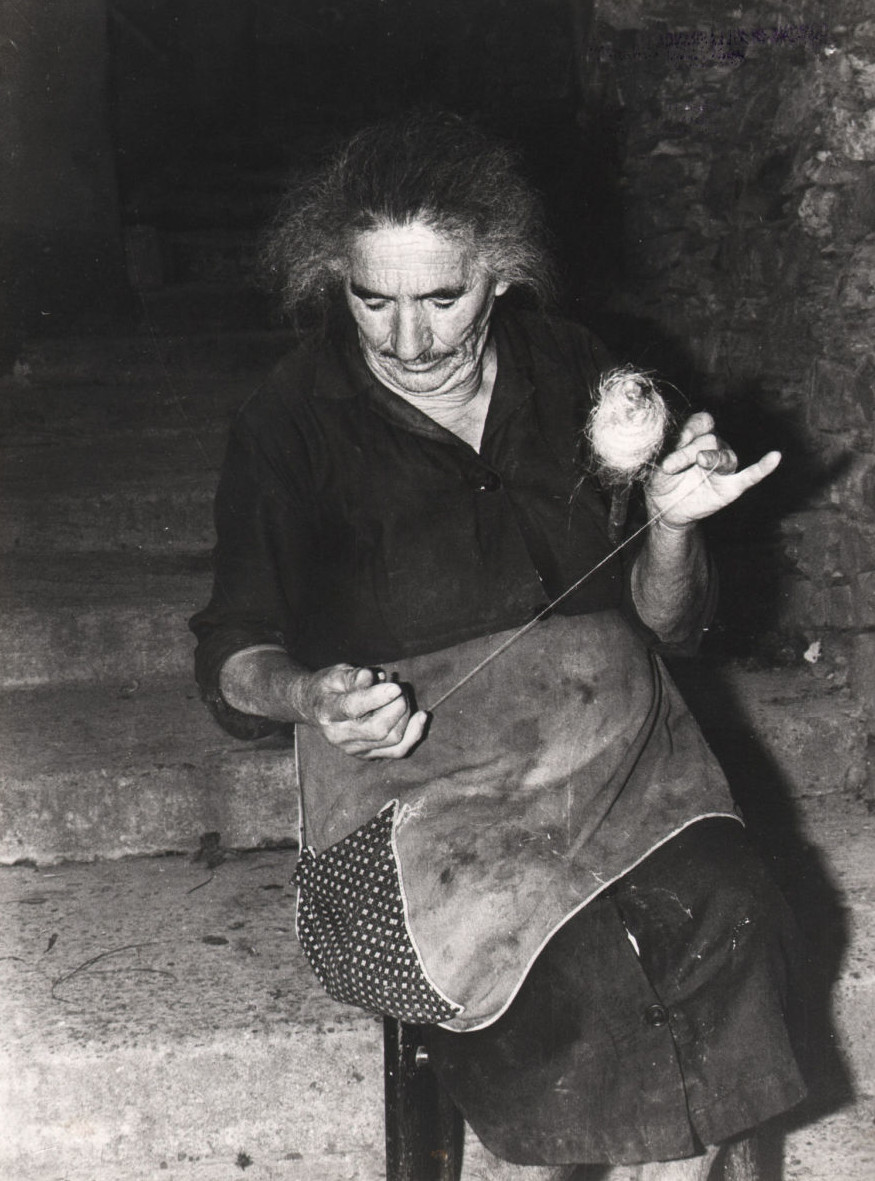
Spinning was the process that transformed the fibres into thread. The spinners used a rocca, a rod that was approximately one metre long, together with a spindle. The fibres were twisted between the fingers to form a continuous thread, which was then wound onto the spindle. To facilitate spinning, women often held guscion (dried chestnuts) in their mouths; the saliva released helped keep the fibres together during the process.

5. Formation of the skeins

The thread wound onto the spindles was then formed into skeins using a rotating reel known as a naspa. Each skein was made up of five spindles, for a total length of approximately 250 metres of thread.

6. Washing and bleaching

The skeins were washed in hot water in terracotta containers (konka) and bleached using ash. This operation was repeated two to three times..

7. Drying

After washing, the skeins were dried in the sun and they were hung on branched poles for one to two days.

8. Formation of balls

Once dry, the skeins were wound into balls (giumei) using a winding frame or reel, a wooden device with a vertical axis on which two cross-shaped frames connected by ribs rotated.

9. Weaving

Weaving was the final stage of the process and was typically carried out by women. The looms were made of wood and varied in size, roughly comparable to that of a bed. The weaver interlaced the warp threads (vertical) with the weft threads (horizontal) to create the fabric. Decorative patterns were generally simple and geometric. The finest fabrics were produced by adding cotton or “precious linen” (a finer type of yarn) to the hemp warp.