Casa Nardi is also a place of memory.
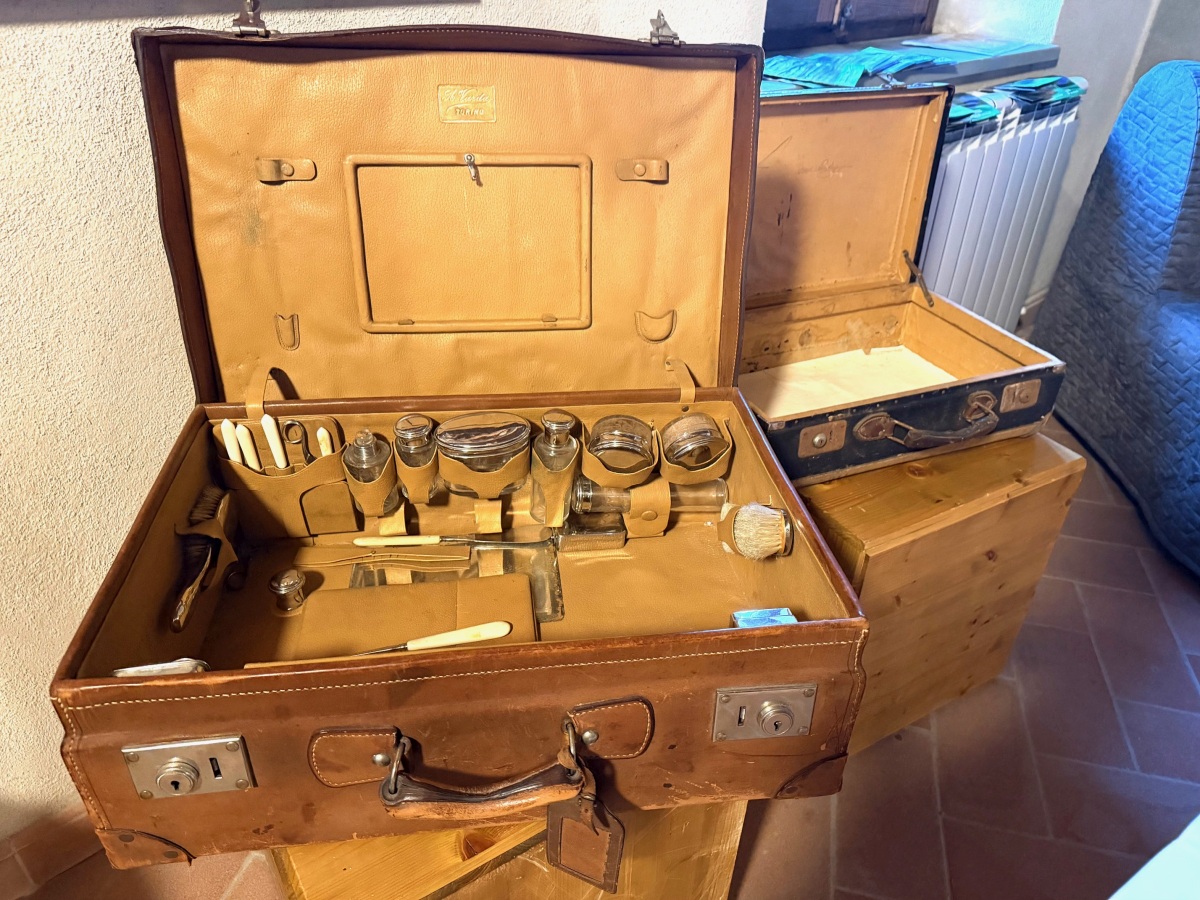
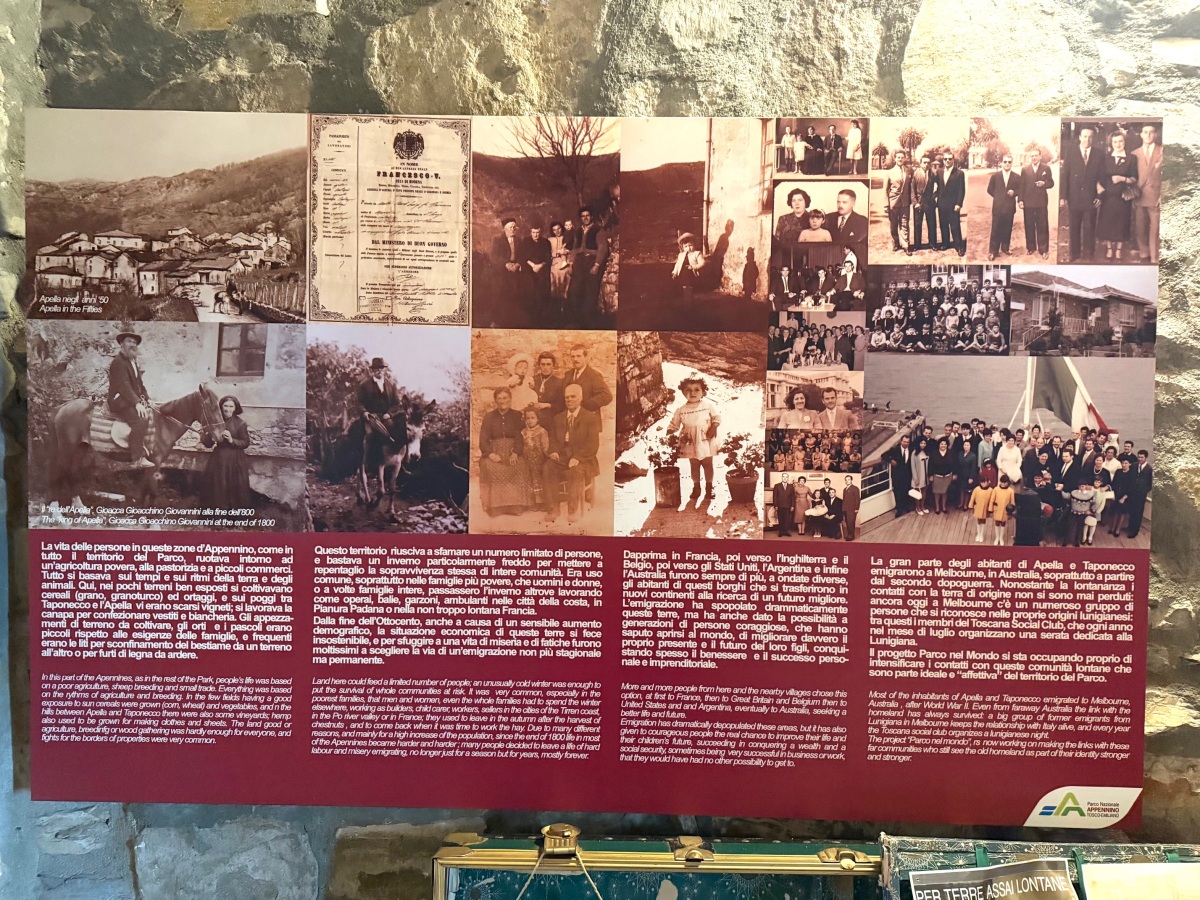
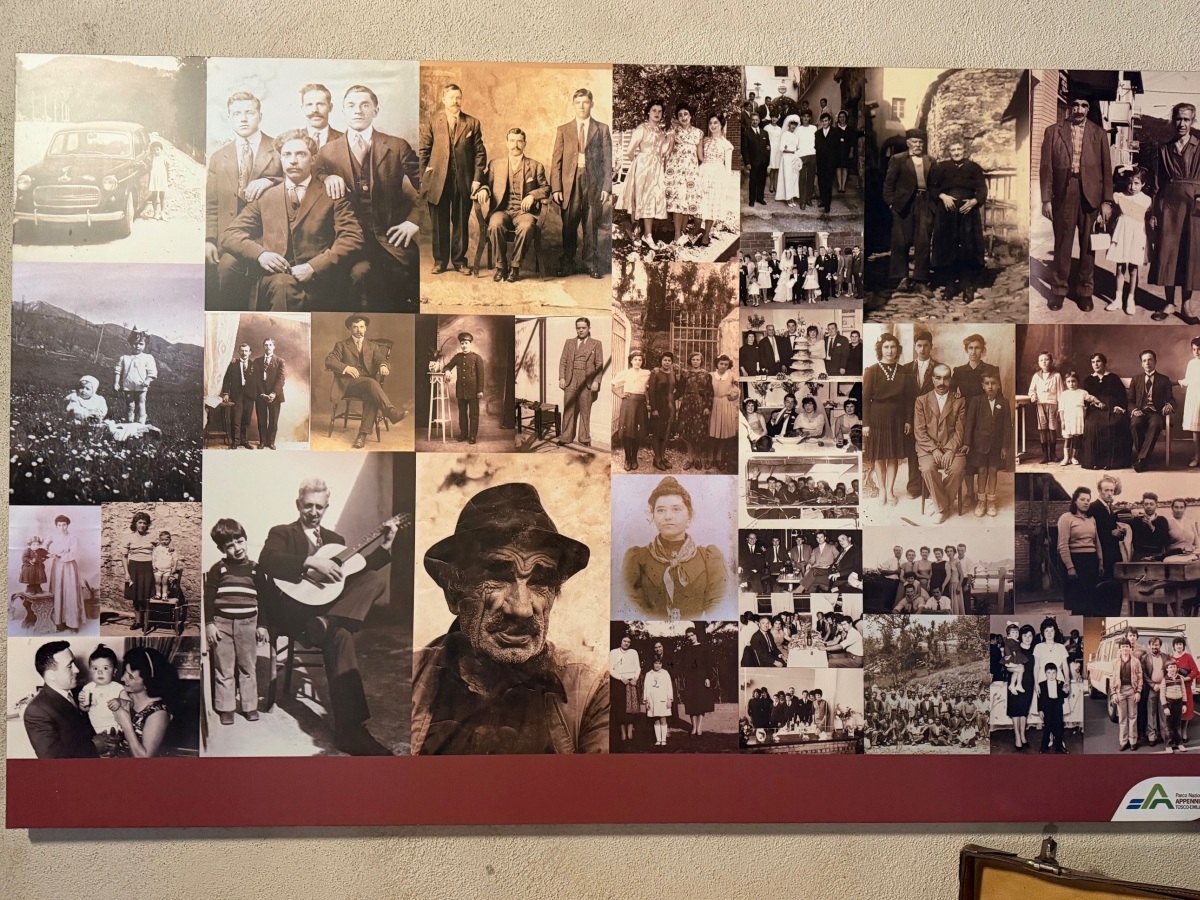
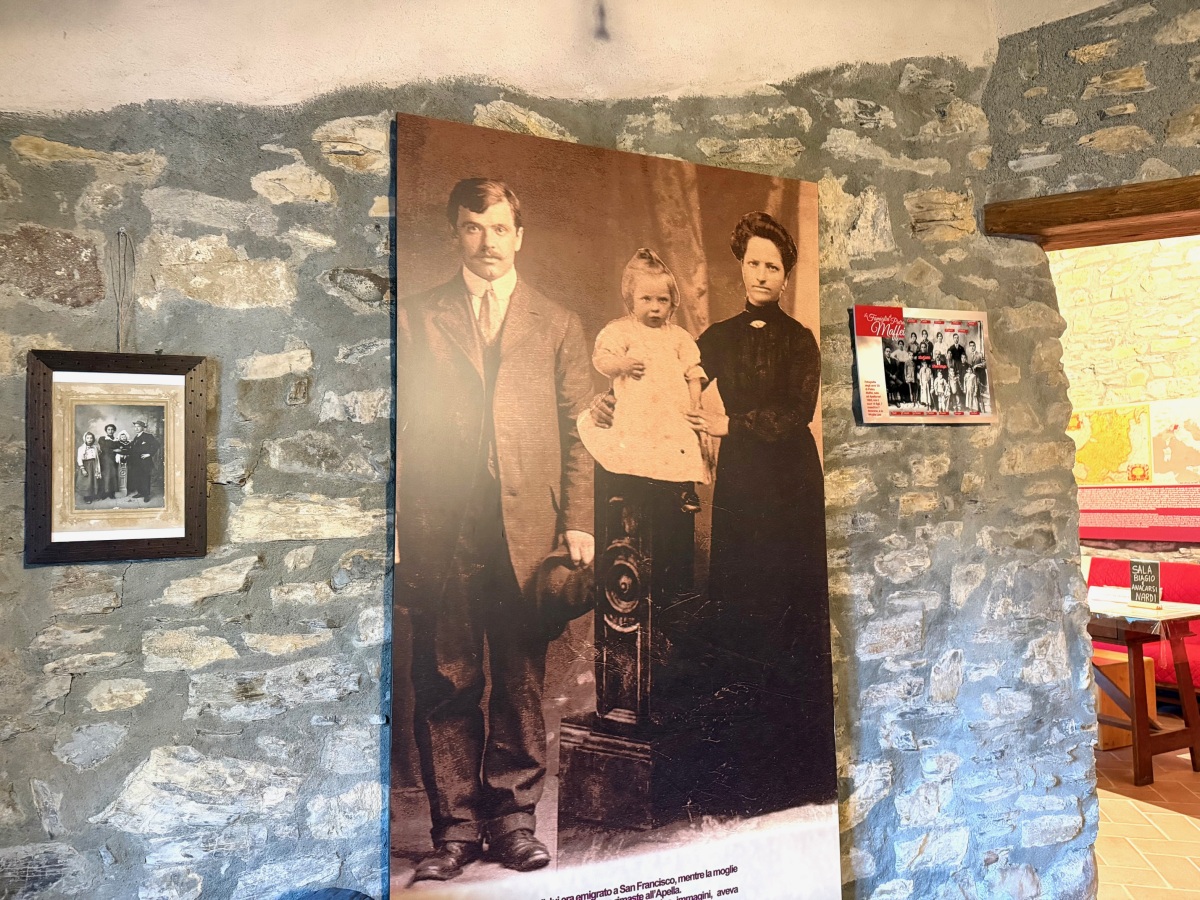
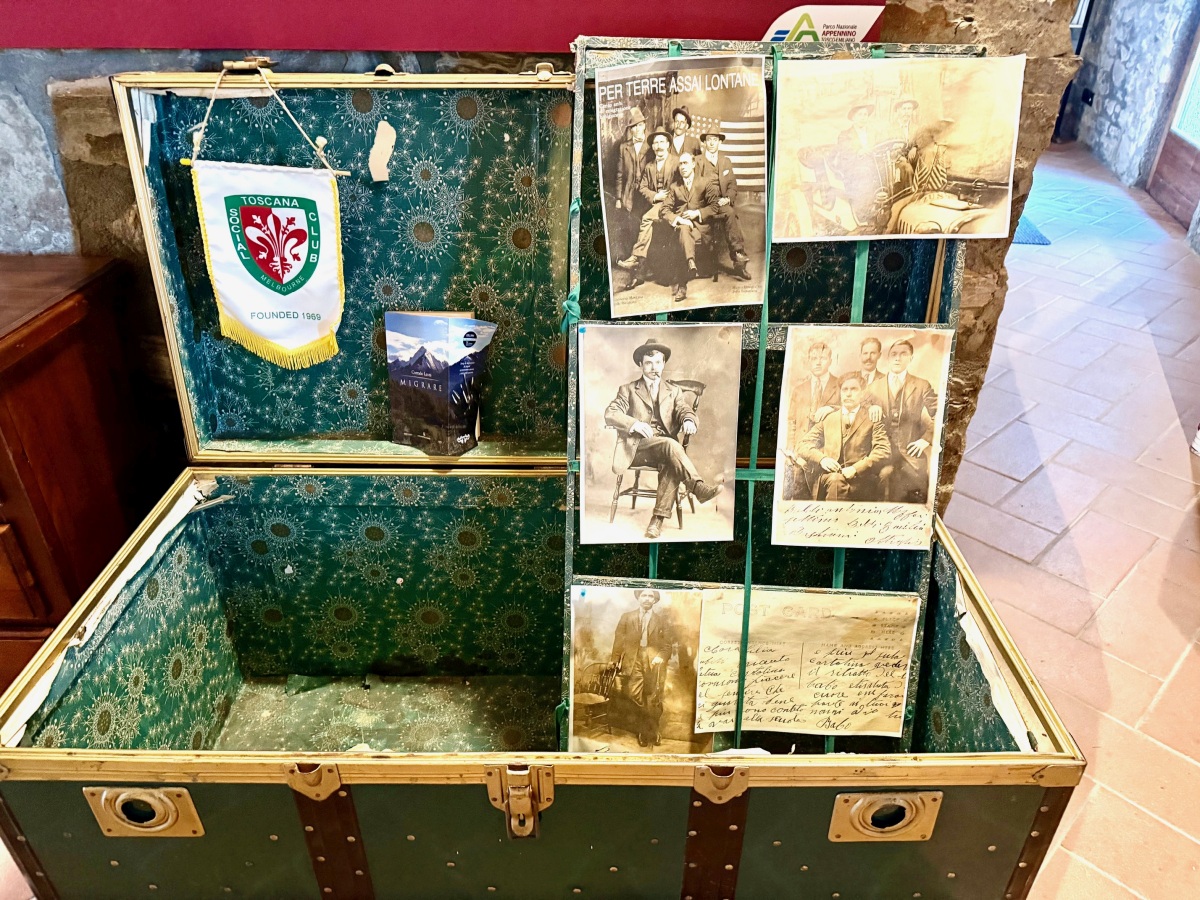
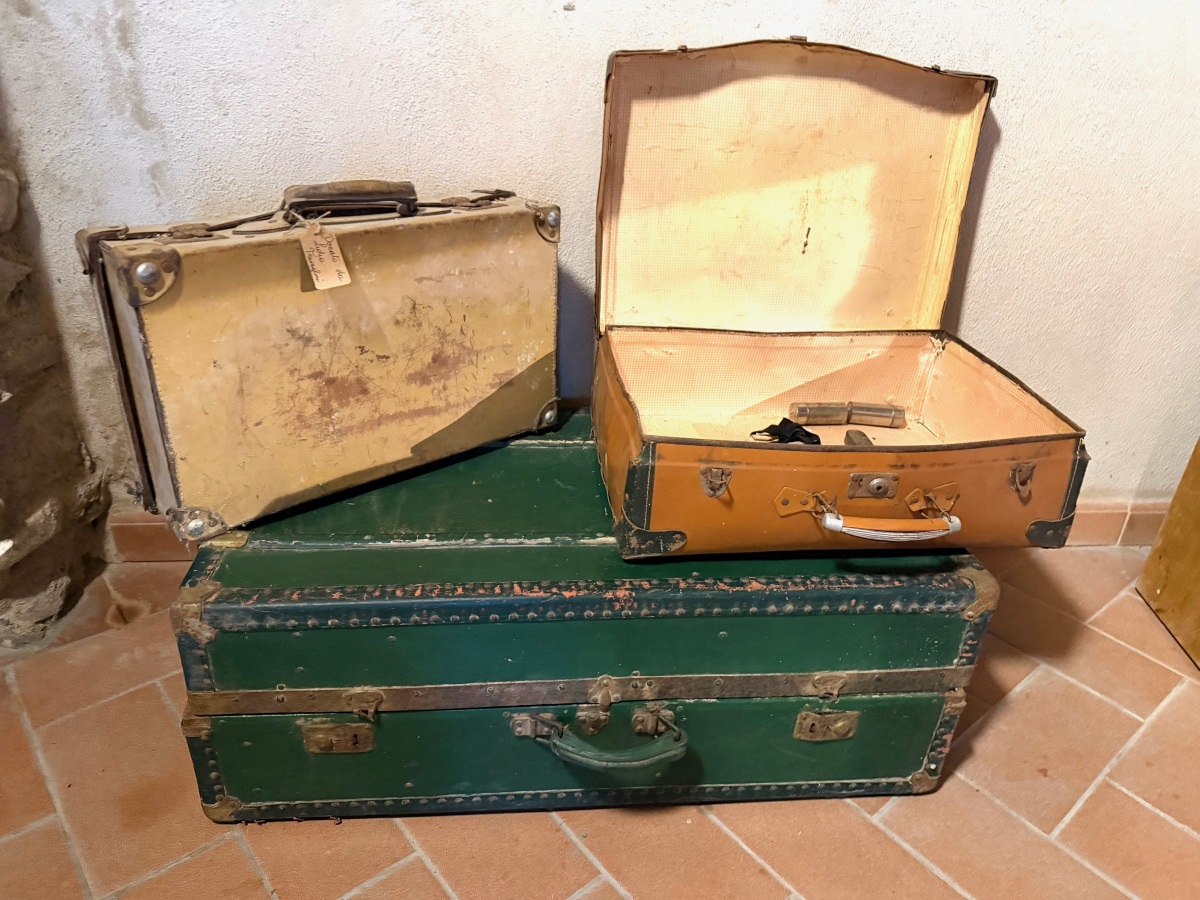
In the Emigration Room, the walls tell—through images, names, documents and personal testimonies—the lives of men, women and children who, for centuries, lived in Apella and Taponecco. It is a memory shaped by farm work, large families, harsh seasons and courageous choices: the story of those who grew up in these small villages and, at a certain point, were forced—or driven—to leave.
Here, emigration is not a distant chapter: it is a thread that runs through generations. Many people left for other parts of Italy, others reached the rest of Europe or “the wider world”, carrying with them language, traditions and longing. Among the most significant communities is that of people from Lunigiana in Melbourne, still deeply connected to their home village today. In recent years this bond has also turned into a flow of “return tourism”: children and grandchildren of emigrants come back in search of places, stories, surnames, homes and paths that belong to their identity.
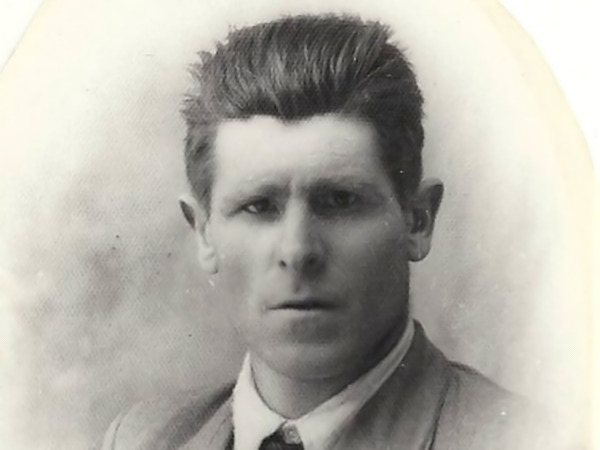
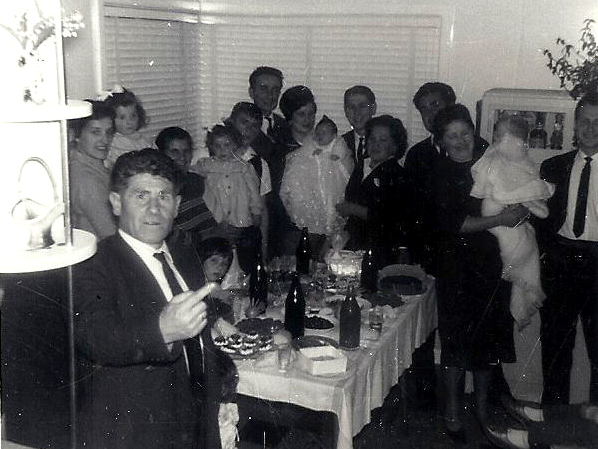
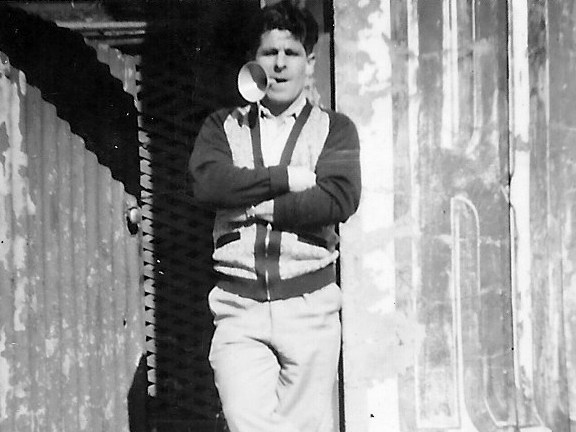
A special feature of this room is the chance to hear the voices of this history. Posters with QR codes allow visitors to download and listen to a series of podcasts featuring intense and moving interviews. These conversations were recorded over the past years by the young Charlie Aitken with his grandparents and other family members, to recount the experience that brought them, in the mid-20th century, from Apella and Taponecco to Melbourne, where they still live today. Charlie collects and shares this research and these stories through his online editorial project Italian Soul, created precisely to preserve and connect the memories of Lunigiana families between Italy and Australia.
The Emigration Room was therefore created with a clear purpose: to safeguard memory and keep it alive—not as a simple remembrance, but as an opportunity for connection. For us and for the Park, this is a tangible challenge: to rebuild relationships with those who left, to reconnect broken threads, and to transform what for a long time was seen as a weakness—depopulation, distance, departures—into a real and meaningful tool for building relationships and opening outward.
Through associations, informal networks and the family ties of emigrants living elsewhere in Italy and abroad, emigration can become a resource today: a national and international bridge, capable of generating cultural exchanges, new visits, shared projects and a renewed sense of belonging.
Listen to the podcasts
In the room you’ll find posters with QR codes: scan them with your smartphone to download and listen to the podcasts featuring intense and moving interviews. These are conversations recorded by Charlie Aitken with his grandparents and other family members, telling the journey that, in the mid-20th century, brought many families from Apella and Taponecco to Melbourne.
Return tourism: following family traces
In recent years, Apella and Taponecco have also been experiencing a form of return tourism: children and grandchildren of emigrants come back to rediscover homes, surnames, stories and places connected to their family roots. A meaningful way to reconnect ties and turn memory into a living relationship, between Lunigiana and the wider world.
The Podcast
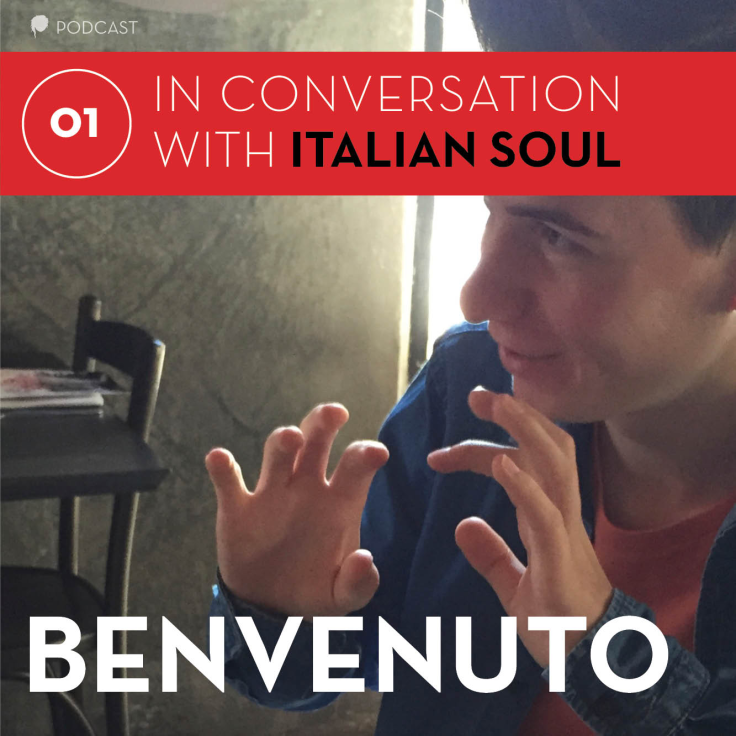
01-Italian Soul
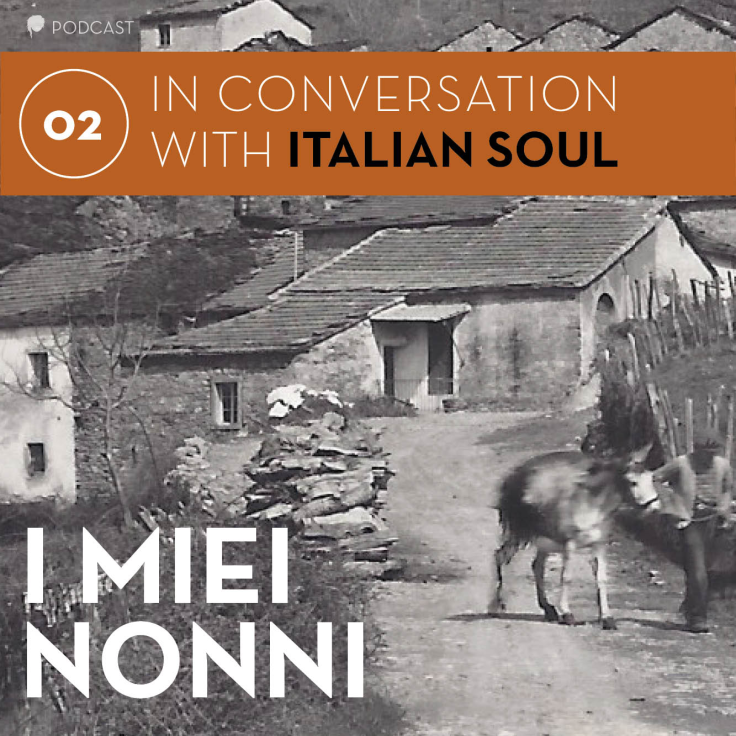
02 – The Villlages
02b. Food In The Region
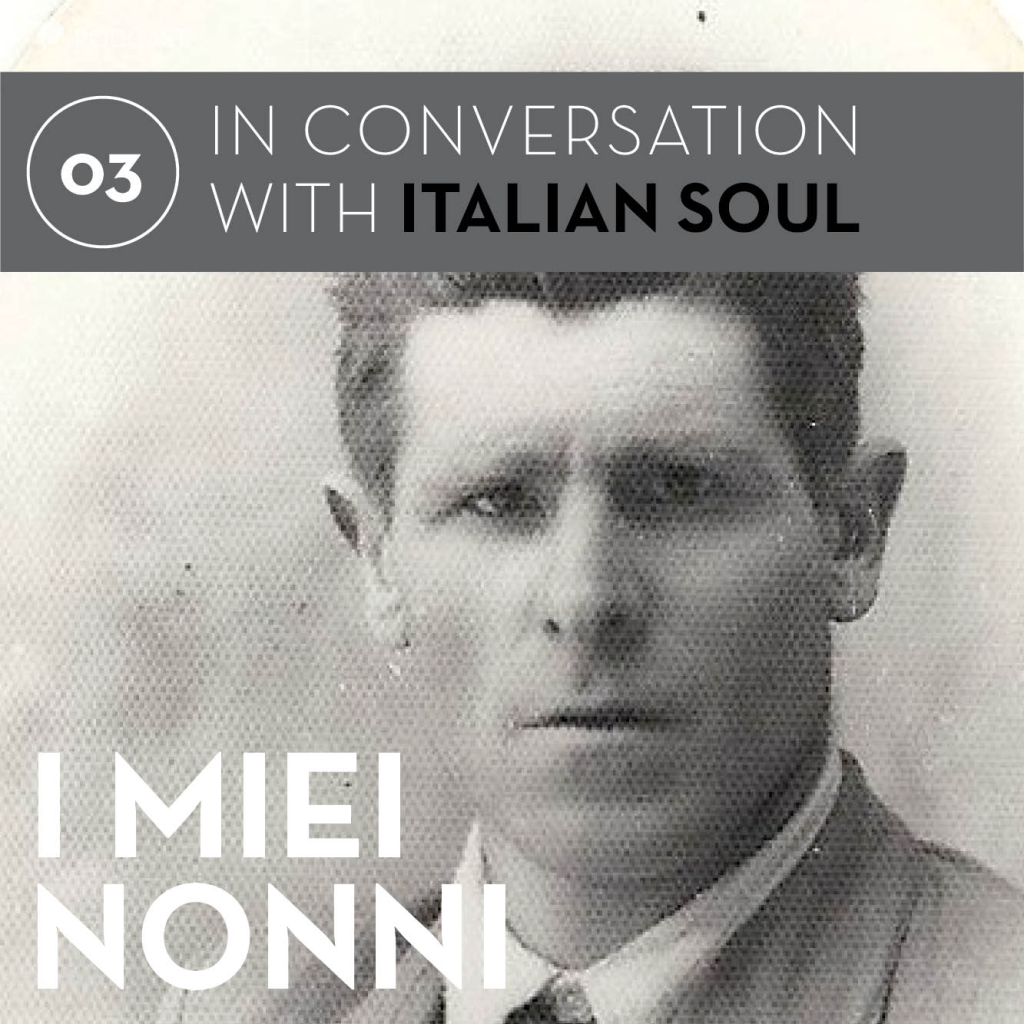
03. Wartime
03b. Making Linen
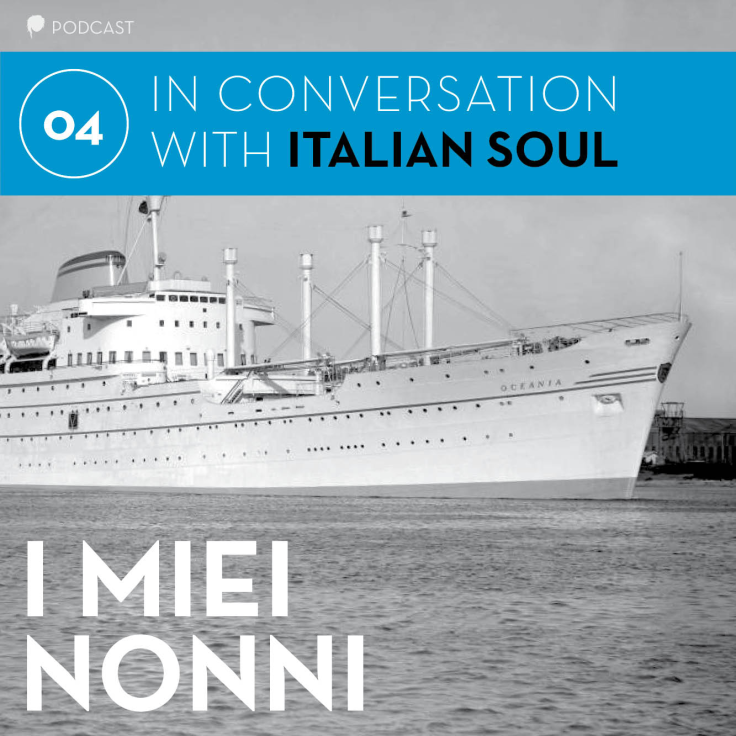
04. Coming To Australia
05. Getting Together
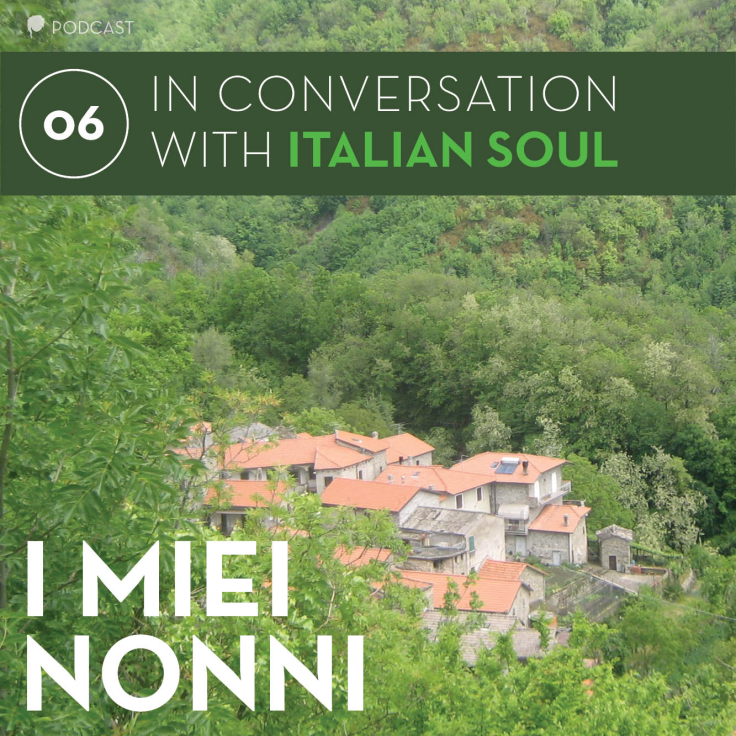
06. Going Back
01. Maria e Elisa chiacchierano
Here is the list of episodes that can also be accessed from the main page