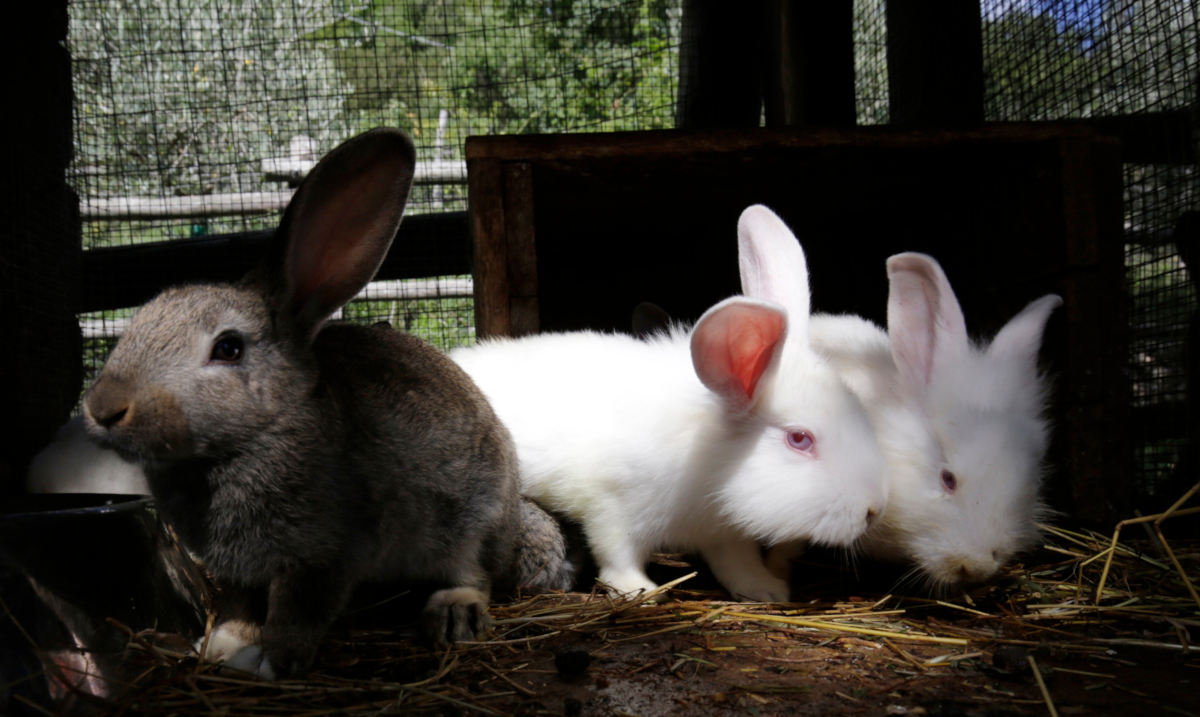
The first written information about rabbits dates back to about the Five hundred BC, when Confucius recommended breeding them for food purposes.
Rabbits usually prefer moving outside between sunrise and sunset and that puts these animals in relation to the hours preferred by the spirits to manifest themselves. For this reason they were thought to be the messengers of the afterlife. It has remained linked to rabbits the belief that they can pass from one world to another, bringing generally positive messages of fertility, encouragement, closeness, rebirth and victory over fears.
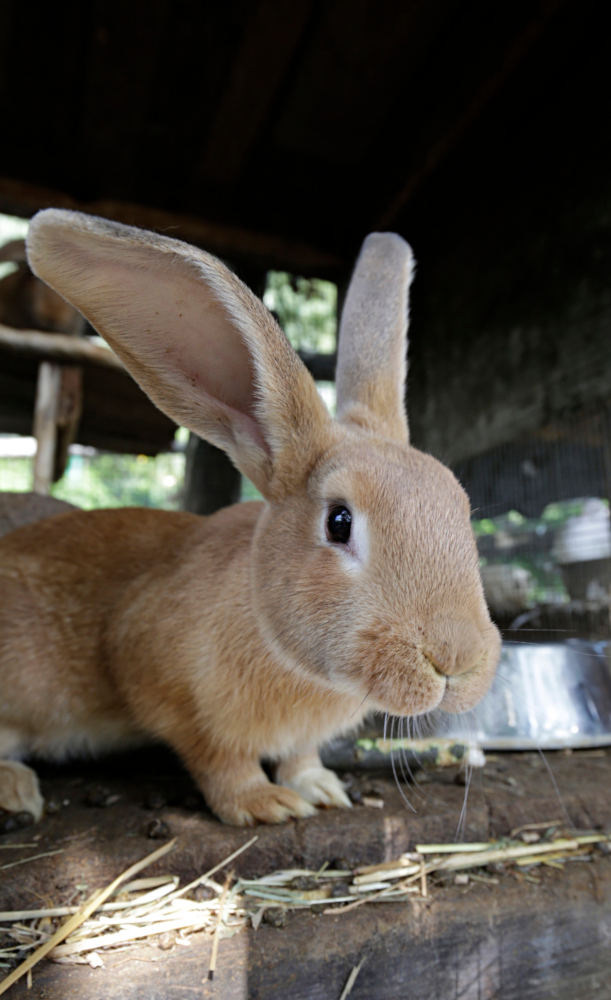
Living together with humans has taught the rabbit not to be so much afraid of it and the atavistic fear has gradually diminished so that the domestic rabbit is not “shy” as is commonly believed. It soon learns to recognize the people who raise it, whom not only it is not afraid of, on the contrary, it usually tries to get closer to them through the fence of the cage when it sees them coming.
The pet rabbit is one of the most suitable animals for those who do not have much space and need or want some company. Thanks to its docile spirit, it is suitable to entertain children and people of all ages. It is also suitable for those who are afraid of big size pets. This does not mean, however, that we can treat this small animal without due care and attention. Moreover, rabbits are social animals that should not be raised alone.
Breeding animals generally live up to 7-8 years. In order to avoid uncontrolled reproduction, it must be taken into account that sexual maturity occurs between 8 and 10 weeks after birth and therefore, from that moment on the sexes must be kept separate or the male individuals must be castrated.
Adopting a rabbit means welcoming a pet with the heart and attitude of a wild animal. Indeed, compared to a cat or a dog, it is more complicated to gain the trust of a rabbit. The small animal is extremely intelligent, sociable and affectionate, but can be at the same time stubborn and vengeful.
Rabbits are herbivorous animals, the natural diet consists of grass, dry leaves, roots, bark, hay, shoots, flowers, and various plant foods. It is important that their diet does not lack mineral salts and fibres, which are useful for encouraging chewing and preventing obesity. The silicon contained in grass is great for growing healthy and strong teeth. It is better to avoid potatoes, peas, corn and iceberg lettuce and limit celery, parsley and spinach. It should be pointed out that the diet of bread, rusks, oatmeal, molasses, carbohydrates or feed, in any case, causes serious digestive and dental problems that can even lead to death if left untreated. The correct rabbit diet is therefore composed of a great amount of hay, around 250-300g per kg of rabbit weight of fresh and clean vegetables and fresh water always available. It is important to leave some food always at the disposal of the animal as the digestive system of the rabbit is in continuous digestion.